
The Art of Foil Printing for Premium Labels and Packaging Explained
Premium packaging is becoming more important across industries such as wine, cosmetics, pharmaceuticals, and luxury consumer goods. Brands are no longer focused only on product quality. They also want packaging that creates a strong visual impression and improves brand recognition on store shelves.
As a result, foil printing has become a widely used decoration technology for premium labels and packaging. From wine labels with metallic shine to cosmetic packaging with reflective effects, foil printing helps products look more professional and high-end.
Today, technologies such as hot foil stamping, cold foil, and holographic foil are commonly used in label printing and flexible packaging production. Each process creates different visual and functional effects, allowing converters and packaging manufacturers to choose the right solution based on production speed, label material, and packaging design requirements.
What Is Foil Printing?
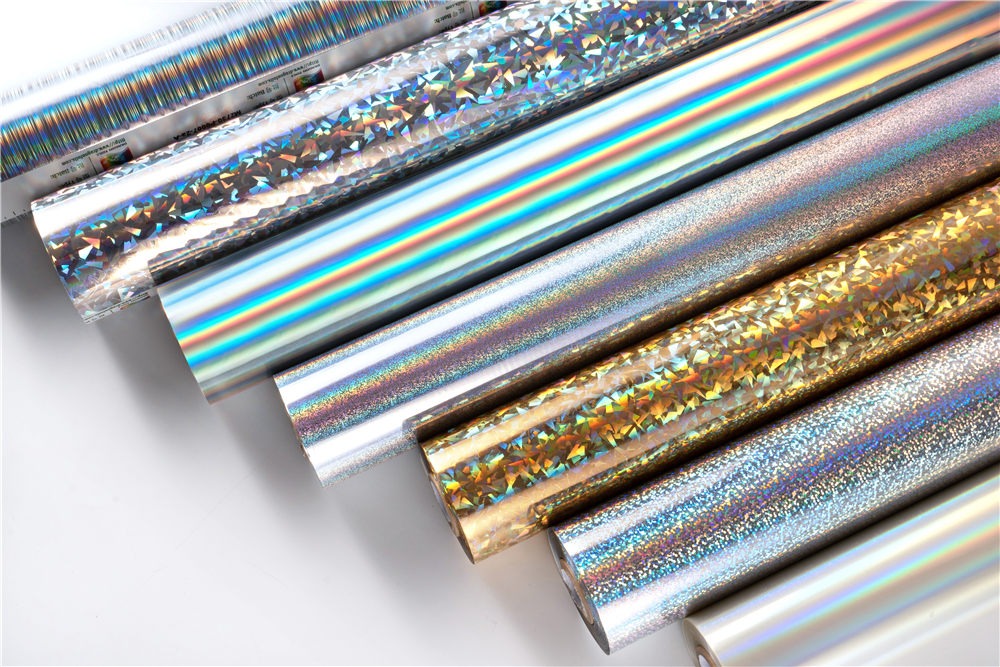
Foil printing is a decorative printing process that transfers a thin metallic or holographic foil layer onto the surface of packaging materials. The process creates reflective packaging effects that improve visual appearance and product value.
Unlike traditional ink printing, foil printing produces metallic foil decoration with higher brightness, sharper reflection, and more premium texture. Depending on the production method, foil printing can be achieved through hot foil stamping or cold foil technology.
Modern holographic foil printing can also create diffraction effects and optical patterns for anti-counterfeiting packaging and luxury label applications.
How Foil Printing Creates Premium Packaging Effects?
Metallic and Reflective Surface Effects
One of the main reasons foil printing is widely used in premium packaging is its ability to create strong metallic and reflective effects. Gold, silver, and holographic finishes help products stand out on crowded retail shelves.
Compared with ordinary ink printing, foil printing creates cleaner reflections and stronger light contrast, especially under retail lighting conditions. This makes foil decoration popular in wine labels, cosmetic labels, and luxury packaging.
Texture and Luxury Appearance
Hot foil stamping is especially valued for its premium texture and tactile appearance. The heated die process creates a deeper foil impression that adds dimensional effects to labels and packaging.
For luxury brands, this combination of metallic shine and embossed texture helps communicate quality and exclusivity. Many premium wine labels and cosmetic labels use hot foil stamping to highlight logos, brand names, and decorative patterns.
Holographic Optical Effects
Holographic foil creates dynamic optical effects through micro-embossed patterns that reflect light at different angles. Unlike standard metallic foil, holographic foil produces moving rainbow-like visuals that attract attention quickly.
Besides decorative value, holographic foil is also widely used in security packaging because the optical effects are difficult to replicate. This makes holographic foil suitable for authentication labels, pharmaceutical packaging, and premium consumer goods.
Hot Foil Stamping in Premium Label Printing
How Hot Foil Stamping Works?
Hot foil stamping uses heat, pressure, and a metal die to transfer foil onto the substrate surface. During the process, the heated die presses the foil against paper, film, or label material, creating a durable metallic finish.
Because hot foil stamping uses direct heat transfer, it delivers excellent detail quality and sharp edge definition. This makes it suitable for high-end packaging applications where appearance quality is critical.
Best Applications for Hot Foil Stamping
Hot foil stamping is commonly used for:
- Wine labels
- Luxury cosmetic labels
- Small-area premium packaging
- Embossed decorative effects
- High-end authentication labels
The process works especially well for detailed graphics, fine text, and small label areas that require precise metallic decoration.
|
Application |
Why Hot Foil Stamping Is Used |
|
Wine Labels |
Premium metallic appearance |
|
Cosmetic Labels |
Luxury branding effects |
|
Security Labels |
Sharp detail quality |
|
Gift Packaging |
Embossed foil texture |
Why Hot Foil Stamping Is Popular for Luxury Labels?
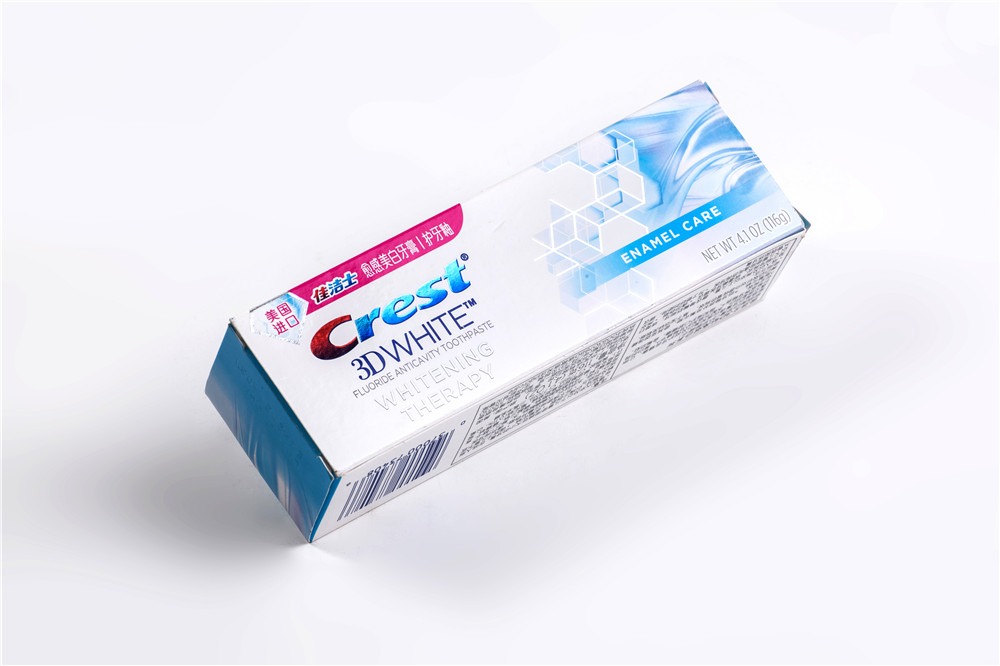
Many luxury brands prefer hot foil stamping because it creates a more premium tactile effect than standard metallic printing. The process also supports thicker foil layers and stronger adhesion performance on specialty label materials.
For high-end wine packaging and cosmetic labels, hot foil stamping helps improve shelf visibility while maintaining a refined luxury appearance.
Cold Foil Printing for Modern Packaging Production
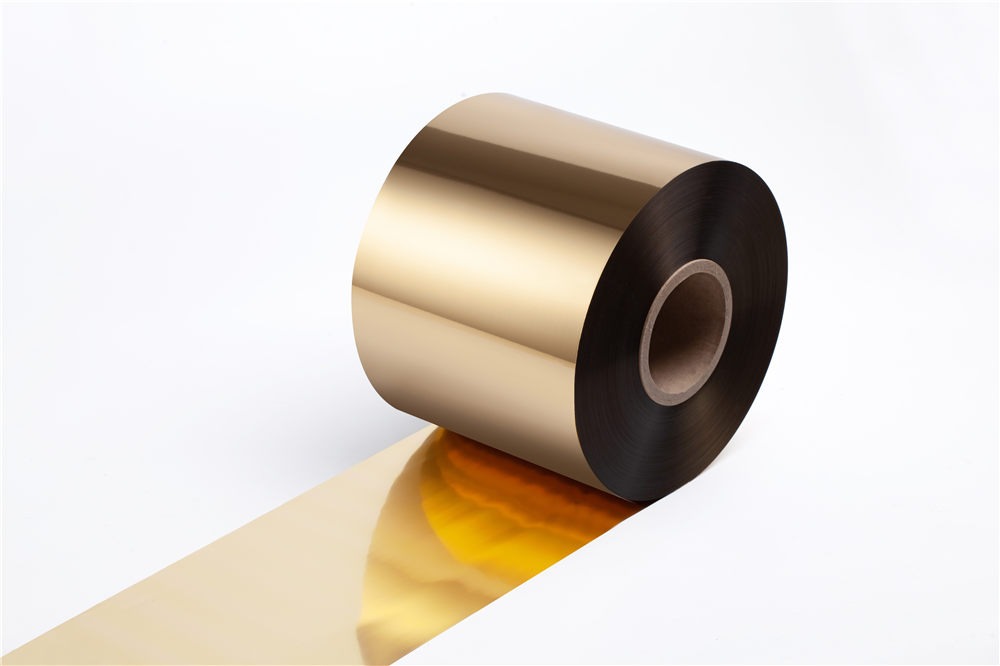
How Cold Foil Printing Works?
Cold foil printing transfers foil onto packaging materials using UV-curable adhesive instead of heat. The foil is applied inline during the printing process, making production faster and more efficient.
Unlike hot foil stamping, cold foil does not require metal dies or heated plates. This reduces setup time and improves production flexibility for large-volume packaging orders.
Advantages of Cold Foil for High-Speed Printing
Cold foil is widely used in modern packaging production because it supports high-speed inline printing. It is especially suitable for:
- Large-volume production
- Flexible packaging
- Inline flexographic printing
- Offset printing systems
The process allows converters to combine metallic effects with traditional printing in a single production run, improving efficiency and reducing production costs.
|
Feature |
Hot Foil Stamping |
Cold Foil |
|
Production Speed |
Medium |
High |
|
Heat Required |
Yes |
No |
|
Inline Printing |
Limited |
Yes |
|
Best for Small Details |
Excellent |
Good |
|
Large-Volume Production |
Moderate |
Excellent |
Cold Foil Applications in Label Packaging
Cold foil is increasingly used for beverage labels, cosmetic packaging, flexible packaging, and promotional labels. Because the process supports fast production speeds, it is suitable for modern packaging lines that require both efficiency and premium metallic effects.
Why Holographic Foil Is Growing in Premium Packaging?
Anti-Counterfeiting Features
Holographic foil is widely used in security packaging because the diffraction effects are difficult to duplicate using standard printing methods. Many brands use holographic foil to improve product authentication and reduce counterfeit risks.
Strong Shelf Visibility
Reflective holographic effects help products attract consumer attention quickly. In competitive retail environments, shelf visibility can directly influence purchasing decisions.
Custom Decorative Effects
Holographic foil also allows customized patterns, textures, and visual effects that strengthen brand identity. Packaging designers can create unique decorative elements that improve product differentiation.
Popular Applications of Foil Printing
Wine Labels
Wine label printing frequently uses hot foil stamping and holographic foil to create premium metallic decoration and authentication features.
Cosmetic Labels
Luxury cosmetic packaging relies heavily on reflective metallic effects to improve product presentation and brand recognition.
Pharmaceutical Packaging
Pharmaceutical companies use holographic foil for security labels and anti-counterfeiting packaging applications.
Security Labels
Authentication labels and tamper-evident packaging often include holographic foil for enhanced product security.
Choosing the Right Foil Printing Solution
Selecting the right foil printing method depends on several production factors:
- Packaging design: Complex luxury designs may require hot foil stamping.
- Production speed: Cold foil is more suitable for high-speed inline production.
- Label material: Different substrates require compatible foil systems.
- Metallic effect requirements: Holographic foil offers stronger visual and security effects.
Packaging manufacturers should evaluate both visual goals and production efficiency before selecting a foil solution.
Conclusion
Foil printing continues to play an important role in premium labels and packaging. Whether using hot foil stamping, cold foil, or holographic foil, brands can create stronger visual impact, better shelf visibility, and enhanced packaging quality.
As demand for luxury packaging and anti-counterfeiting solutions continues to grow, foil printing technologies will remain an important part of modern packaging production.
FAQs
Q1: What is foil printing?
A: Foil printing is a decorative process that transfers metallic or holographic foil onto packaging materials to create reflective visual effects.
Q2: What is the difference between hot foil stamping and cold foil?
A: Hot foil stamping uses heat and pressure, while cold foil uses UV adhesive and inline printing technology.
Q3: Is cold foil suitable for high-speed printing?
A: Yes. Cold foil is widely used for high-speed inline production because it supports fast printing speeds and efficient large-volume packaging runs.
Q4: What industries use holographic foil?
A: Holographic foil is commonly used in wine labels, cosmetic packaging, pharmaceutical packaging, and security labels.
Q5: Can holographic foil improve packaging security?
A: Yes. Holographic foil creates optical effects and security patterns that are difficult to replicate, making it suitable for anti-counterfeiting packaging.