
Scodix Foil VS Traditional Hot Stamping Foil
When choosing a foil decoration process, printers and packaging producers need to consider more than the metallic appearance alone. Production volume, design changes, tooling requirements, substrate, workflow and the desired decorative effect can all influence the production method that fits a project. At Dragon Foils, we supply traditional hot stamping foils as well as DT Series Digital Enhancement Foil for compatible digital printing applications.
What Is Scodix Foil?
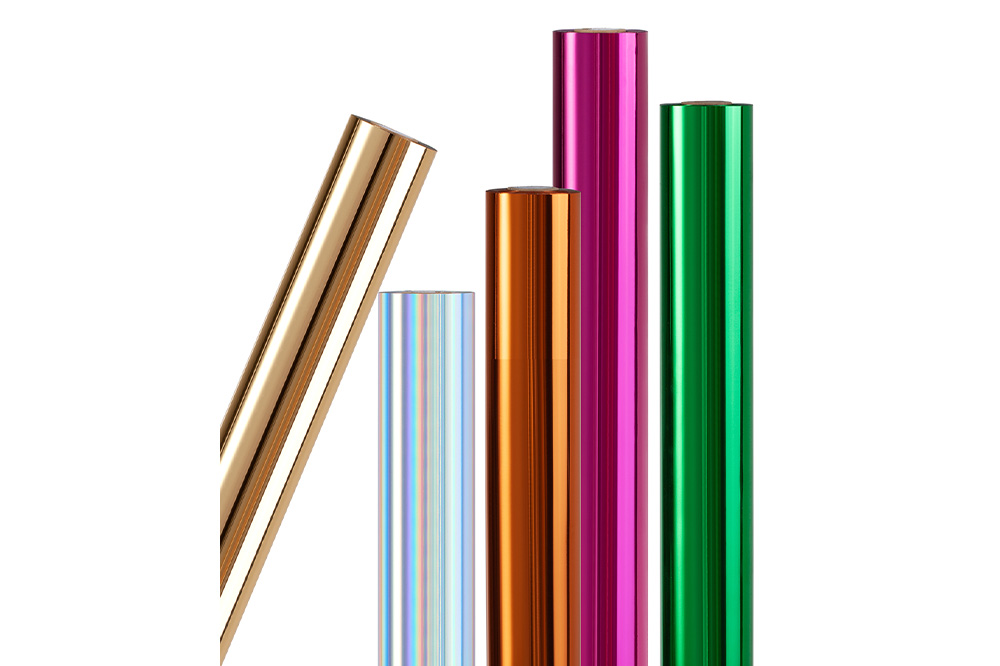
Scodix is a digital enhancement printing platform, rather than a separate category of conventional hot stamping foil. For digital printing machines equipped with a varnish jetting and foiling unit, Dragon Foils lists the DT Series Digital Enhancement Foil as applicable to systems including SCODIX and MGI. The digital workflow allows foil decoration to follow the digital artwork without preparing a traditional metal stamping die for each design.
How Does Digital Enhancement Foiling Work?
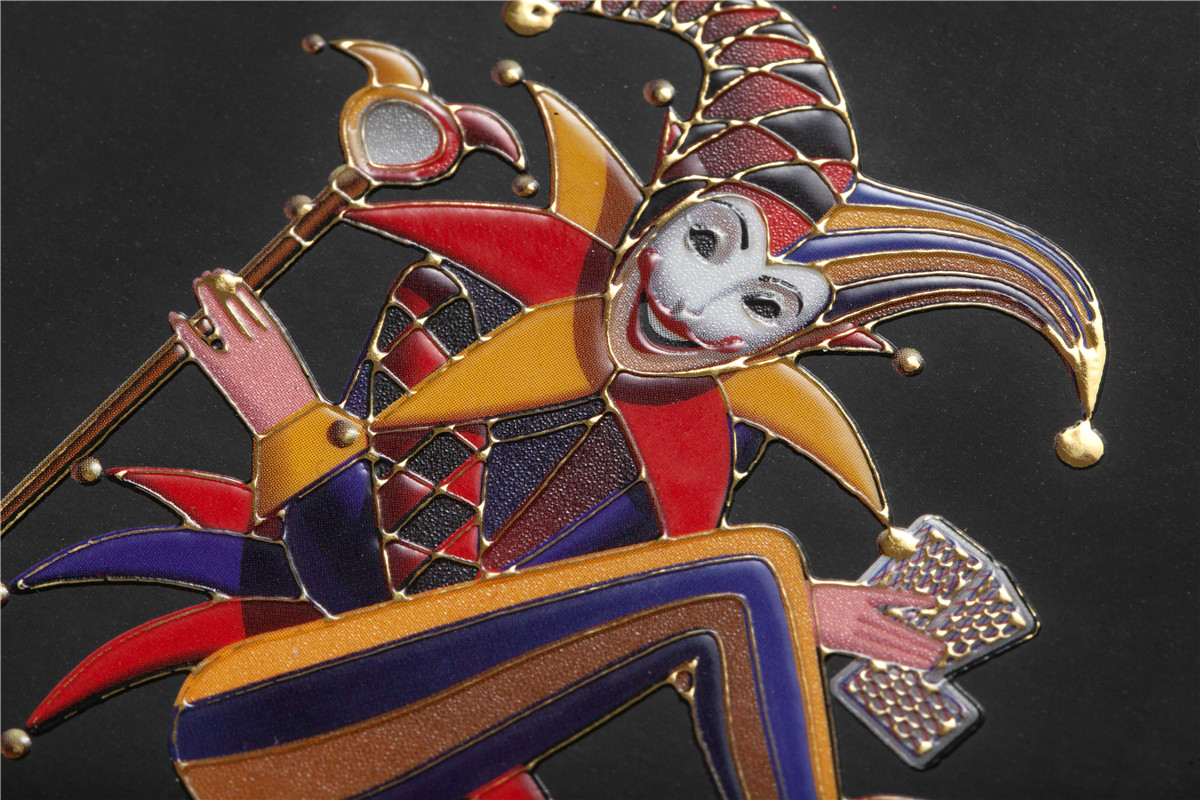
The digital enhancement process combines varnish application and foil transfer within a compatible digital printing workflow. Dragon Foils specifies that different varnish thicknesses can be selected to achieve different stamping effects. The DT Series is described with a strong 3D effect, rich colors, high metallic gloss, good release and transfer performance, adhesion to various substrates, and anti-scratch and rub resistance.
Basic workflow: Digital artwork → varnish application → foil transfer → finished decorative effect.
What Is Traditional Hot Stamping Foil?
Traditional hot stamping uses heat and pressure to transfer foil through a physical stamping die. The die determines the foil area, making the process suitable for established artwork that will be reproduced repeatedly. Dragon Foils' existing comparison articles describe traditional hot stamping as particularly relevant to established designs, larger production runs and applications where tooling-based tactile or embossing effects are required.
Scodix Foil VS Traditional Hot Stamping Foil: What Is the Difference?
|
Consideration |
Digital / Scodix |
Traditional Hot Stamping |
|
Tooling |
No custom metal stamping die for the digital design |
Uses a physical stamping die |
|
Artwork changes |
Flexible for changing digital artwork |
Changes generally require a new or modified die |
|
Variable data |
Suitable for variable and personalized designs |
More suited to fixed artwork |
|
Setup |
Digital workflow with limited tooling preparation |
Requires die preparation and setup |
|
Short / medium runs |
Well suited to short and medium digital projects |
Die preparation can be a larger part of setup |
|
Large production runs |
Depends on the digital production setup |
Established traditional process for repeated runs |
|
Decorative effect |
Digital varnish can create different enhancement effects |
Heat, pressure and tooling can create foil and tactile effects |
The comparison above follows the production distinctions described in Dragon Foils' digital-enhancement and traditional-foil articles. Actual suitability depends on the machine, substrate, artwork and project requirements.
When Is Digital or Scodix Foiling Suitable?
Short and Medium Production Runs
When a project does not require a custom stamping die, a digital workflow can simplify preparation for short and medium runs. Dragon Foils describes digital enhancement foil as suitable for these applications.
Personalized Designs
Digital printing can process variable information, making digital enhancement useful when individual pieces or batches require different text, graphics or other variable elements.
Intricate Artwork
Digital enhancement supports detailed artwork and selective application. Our DT Series is specified for fine details and broad areas.
Projects with Frequent Design Changes
A digital workflow can avoid producing a new physical stamping die for every design variation, which is relevant to customized or frequently changing work.
When Is Traditional Hot Stamping More Suitable?
Established Artwork and Repeated Production
When the artwork is fixed and will be reproduced consistently, a physical stamping die provides a repeatable production pattern.
Larger Production Runs
For larger quantities, the initial tooling preparation can be spread across a longer run. Dragon Foils' comparison articles describe traditional foil printing as a common approach for larger production volumes.
Tactile and Embossing Effects
Traditional hot stamping can be combined with physical tooling and embossing to create depth and texture where the tactile result is part of the design.
Which Foil Does Dragon Foils Supply for Scodix and Digital Enhancement?
Our DT Series Digital Enhancement Foil is developed for digital printing applications using compatible varnish jetting and foiling systems. Dragon Foils lists SCODIX and MGI among the applicable digital printing machines. Published applications include advertisement materials, book covers, greeting cards, cosmetic boxes, candy boxes, wine boxes and other digital-printing applications.
For the current technical and application information, visit our DT Series Digital Enhancement Foil.
How Should You Choose Between Digital and Traditional Foil Stamping?
What is the production quantity?
Short and medium runs may benefit from digital flexibility, while established larger-volume jobs may suit a traditional tooling-based process.
Will the artwork change?
Variable data, personalization and frequent artwork changes are well suited to a digital workflow.
Is a physical tactile effect required?
Traditional stamping can be combined with physical tooling and embossing when depth and texture are important.
Which printing system will be used?
For digital enhancement, confirm that the machine has the required varnish jetting and foiling unit. Dragon Foils lists SCODIX and MGI for the DT Series.
What finish is required?
Consider the metallic appearance, color, gloss and decorative effect together with the selected production process and substrate.
FAQs About Scodix Foil and Traditional Hot Stamping
Is Scodix foil the same as traditional hot stamping foil?
No. Scodix refers to a digital enhancement printing system, while traditional hot stamping uses a physical stamping die. Dragon Foils supplies DT Series Digital Enhancement Foil for compatible digital systems including SCODIX and MGI.
Does digital enhancement foil require a metal die?
Digital enhancement does not require the custom metal stamping die used in traditional hot foil stamping.
Can Dragon Foils DT Series be used on SCODIX machines?
Yes. Dragon Foils lists SCODIX and MGI among the digital printing machines applicable to the DT Series, provided the machine is equipped with the required varnish jetting and foiling unit.
Which projects are suitable for digital enhancement foil?
Dragon Foils lists advertisement materials, book covers, greeting cards, cosmetic boxes, candy boxes, wine boxes and other digital-printing applications.
When should traditional hot stamping be considered?
Traditional hot stamping can be considered when a project uses established artwork, repeated production or physical tooling-based decorative effects. The process should be matched to production volume, design, substrate, equipment and desired finish.
Conclusion
Digital enhancement foil and traditional hot stamping serve different production requirements. Digital enhancement provides a digital workflow that can accommodate changing artwork and personalization without the custom die used in traditional stamping. Traditional hot stamping remains an established approach for repeated artwork, larger production runs and tooling-based decorative effects.
At Dragon Foils, our DT Series Digital Enhancement Foil is developed for digital printing applications and can be used with compatible systems including SCODIX and MGI. Alongside our traditional hot stamping foil solutions, we recommend matching the foil process to the printing workflow, substrate, artwork, production volume and required finish.
For product selection, samples or technical questions, contact Dragon Foils.