2026 FAQs About (Silk) Screen Printing Foil For Printer & Buyer
Screen printing foil is widely used for decorative and functional finishes. It offers metallic shine, strong visual impact, and flexible application.
Below are the most common questions buyers and printers ask in 2026.
What is screen printing foil?
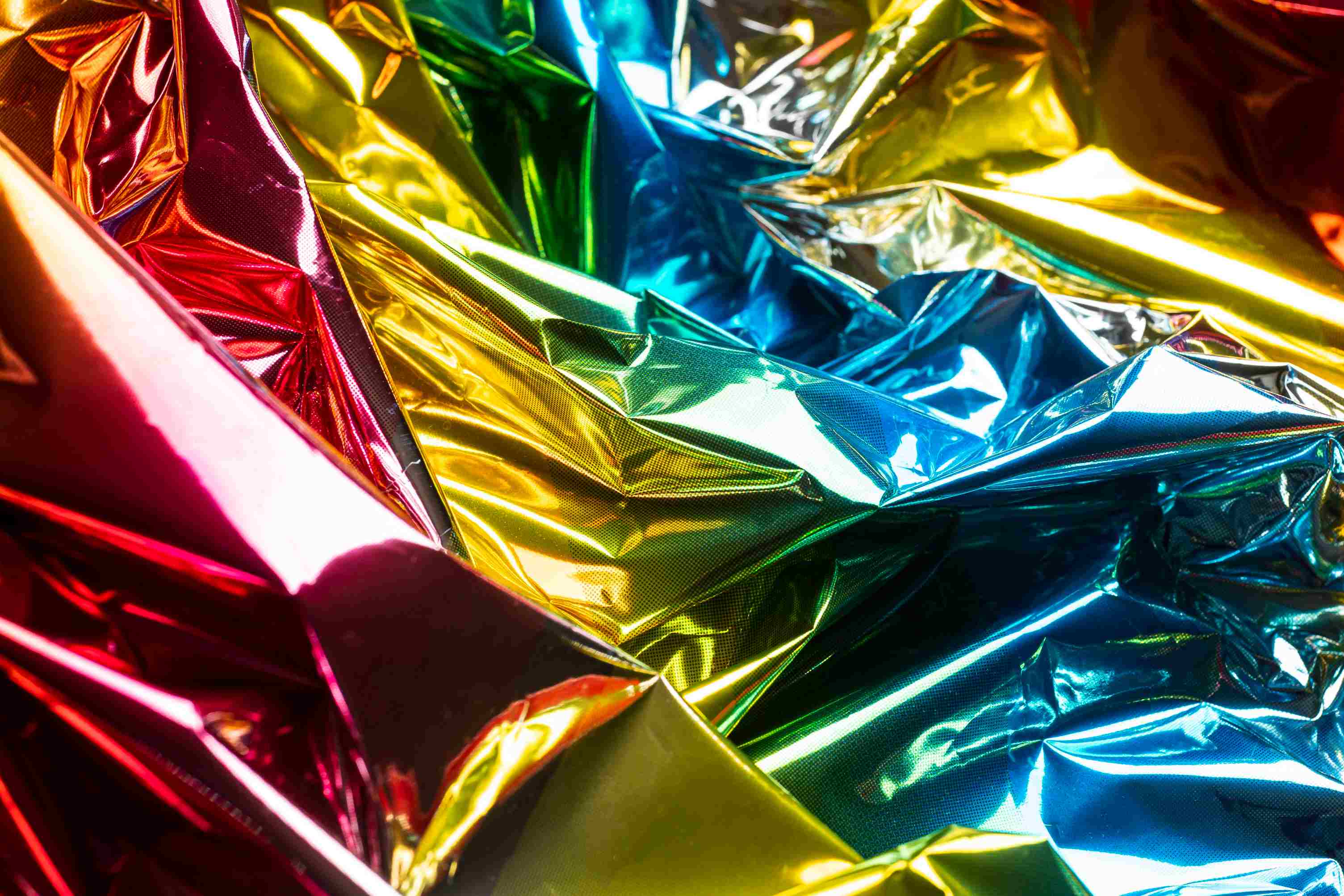
Screen printing foil is a decorative film used in a foil transfer process.
It creates metallic or glossy effects on fabric, paper, plastic, and packaging.
Unlike hot stamping foil, it works with adhesive printed through a screen.
It is commonly used for:
Screen printing foil decoration
Foil screen printing apparel
Foil printing for packaging
How does screen printing foil work?
The process has two main steps:
Print adhesive onto the substrate using screen printing.
Apply foil with heat and pressure.
The foil sticks only to the adhesive areas.
The carrier film is then removed, leaving a metallic finish.
What is the difference between hot stamping foil and screen printing foil?
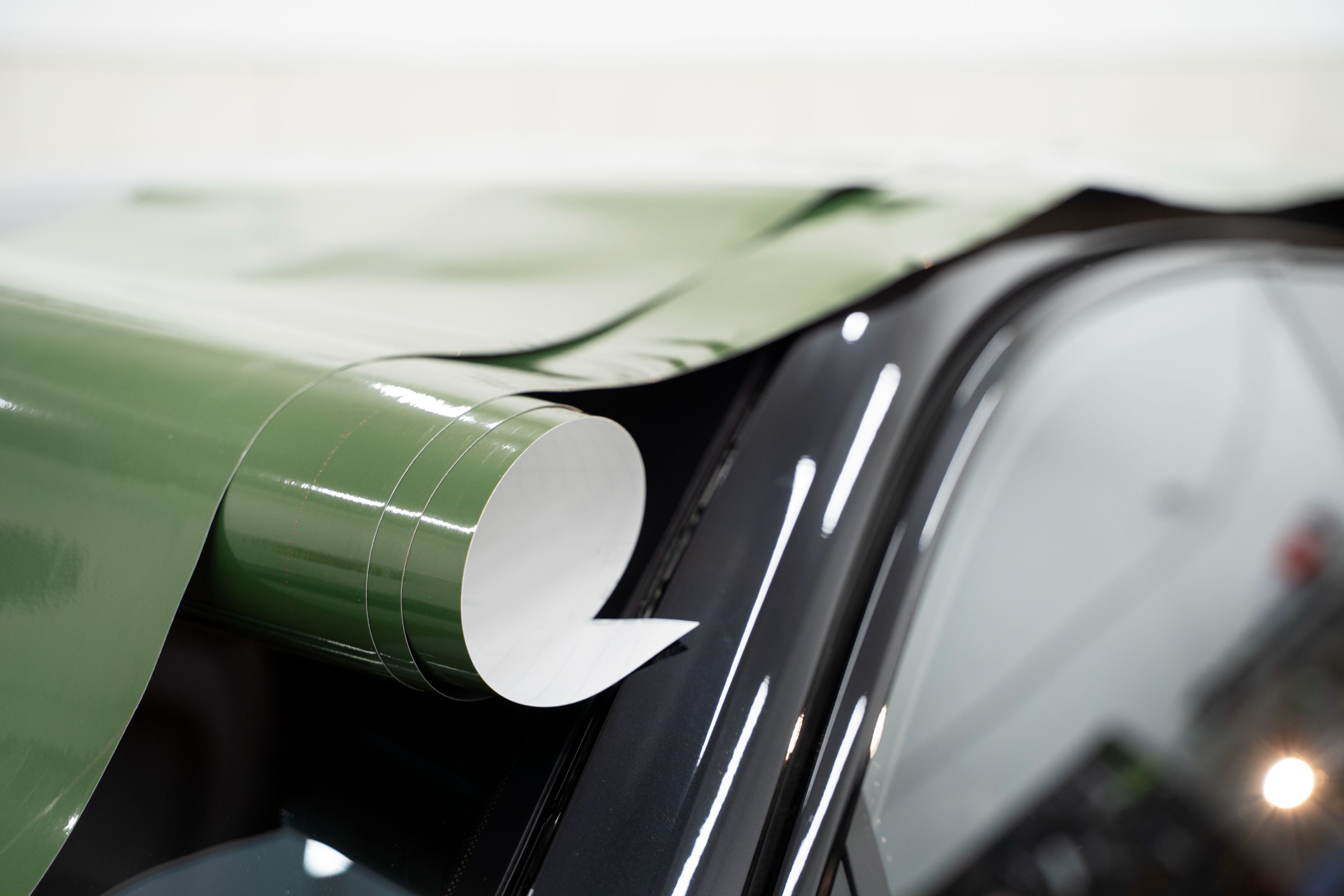
Hot stamping foil uses a metal die and direct heat transfer.
Screen printing foil uses adhesive + heat press.
Hot stamping is better for rigid surfaces and high-volume runs.
Screen printing foil is more flexible for apparel and custom designs.
Is foil printing better than metallic ink?
Metallic ink gives shimmer.
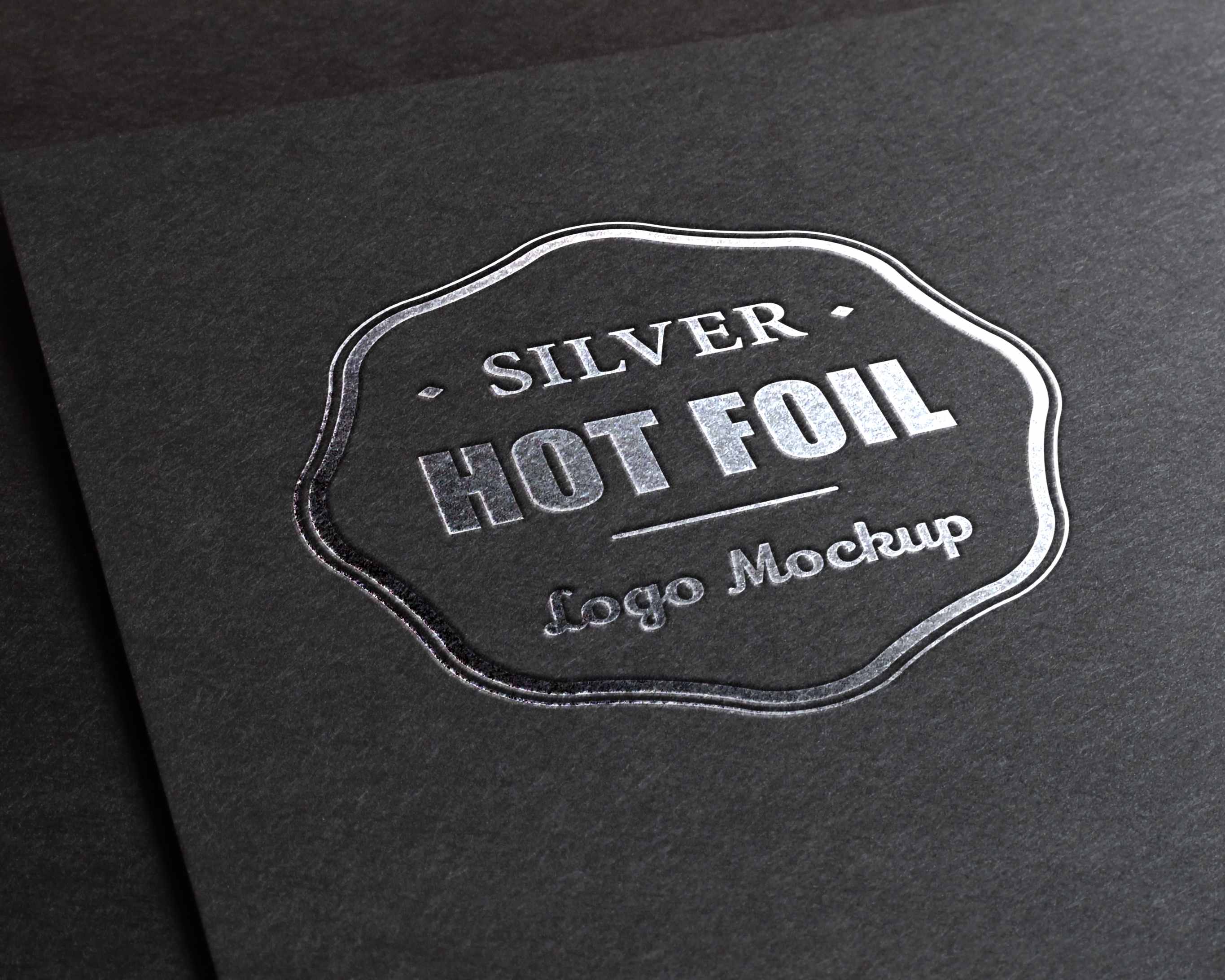
Foil gives a mirror-like shine.
If you need bold luxury effects, foil performs better.
If you need subtle metallic tone, ink may be enough.
This is a common comparison: metallic foil vs foil printing.
What products can use screen printing foil?
Typical applications include:
Apparel (T-shirts, hoodies)
Packaging boxes
Paper cards
Cosmetic labels
Promotional items
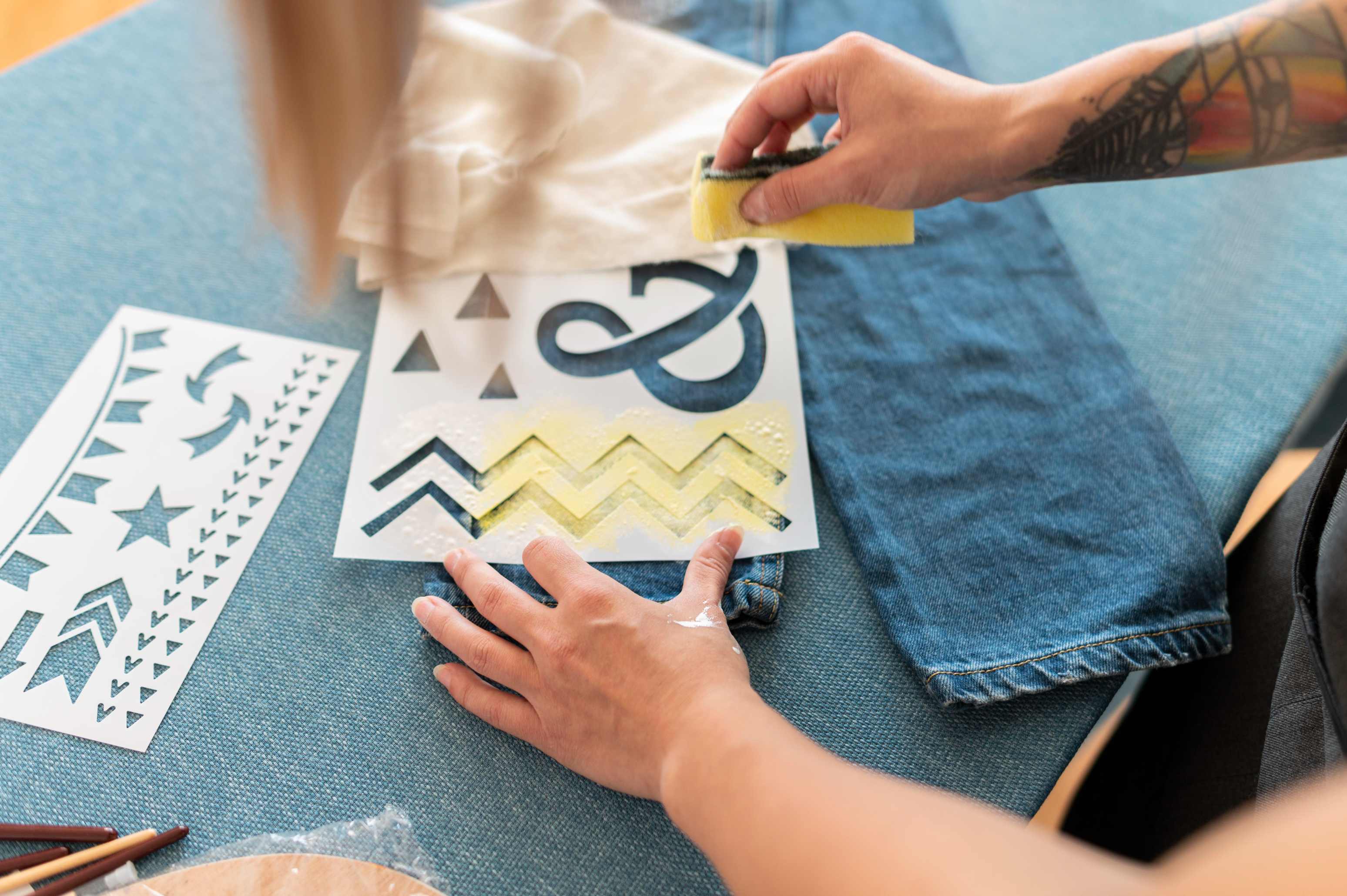
Can screen printing foil be used on fabric?
Yes.
It works well on cotton, polyester blends, and performance fabrics.
Correct adhesive and temperature control are critical for wash durability.
Can it be used on packaging, plastic or paper?
Yes.
Foil printing for packaging is common for:
Paperboard boxes
Folding cartons
Labels
Flexible plastic films
Adhesion depends on surface treatment and ink compatibility.
Is it suitable for packaging decoration?
Yes. Screen printing foil decoration works well on packaging such as boxes, cartons, and labels. When used with proper adhesive and heat press, it enhances the visual appeal and structural clarity of printed graphics, making products more eye-catching on shelves.
What industries commonly use screen printing foil?
Fashion & sportswear
Luxury packaging
Cosmetics
Promotional printing
Gift and specialty printing

How do I choose the right foil for my project?
Start with three factors:
Substrate type
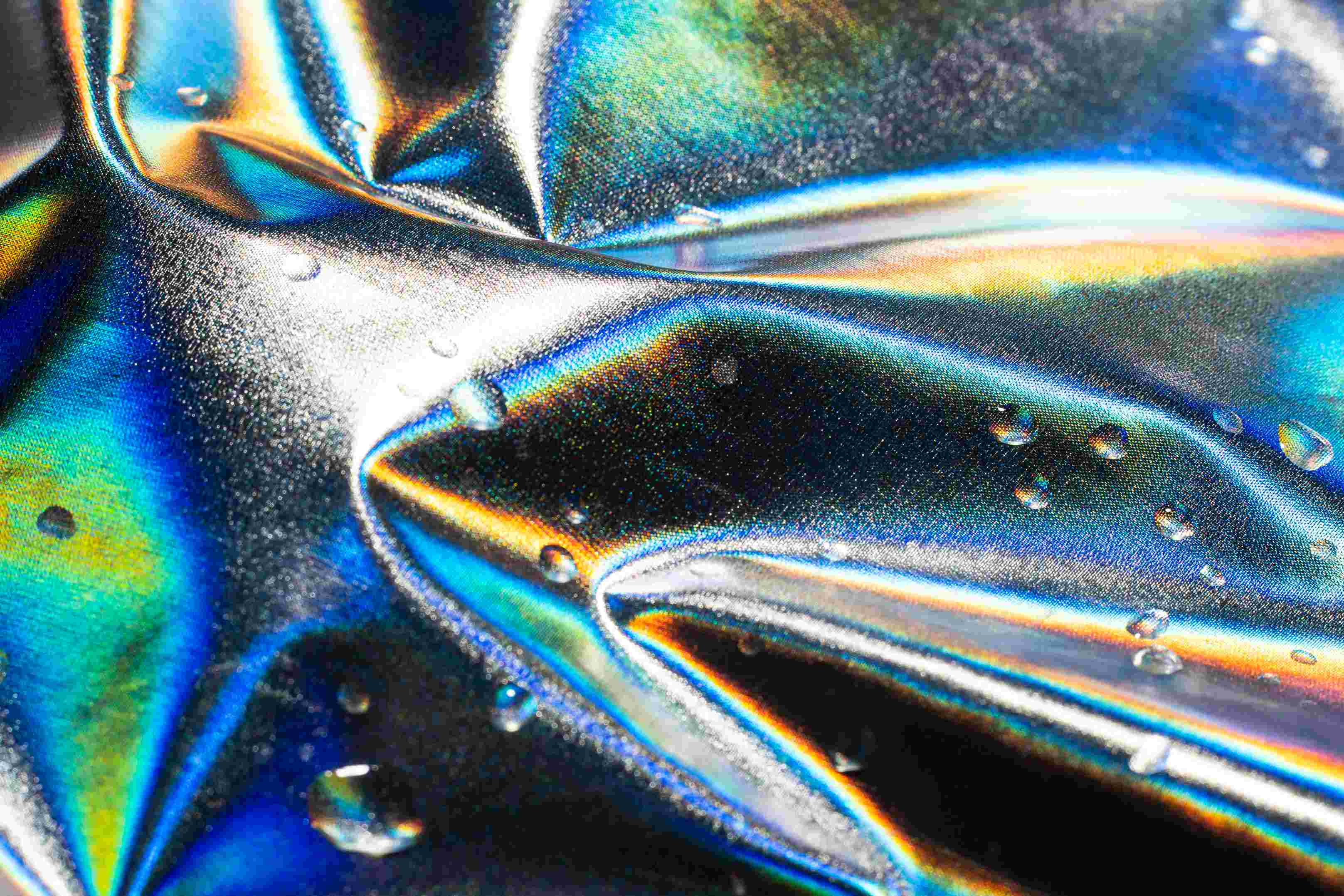
Desired finish (matte, gloss, holographic)
Production method
Always request samples before a bulk order.
What factors affect foil adhesion?
Adhesive type
Heat level
Pressure
Dwell time
Surface cleanliness
Poor control causes peeling or incomplete transfer.
How to match foil with adhesive or plastisol ink?
Use foil recommended for plastisol adhesive.
Check supplier compatibility charts.
Conduct small-batch testing before full production.
Should I prioritize low price or high quality?
Low price works for short-term or promotional runs.
High quality reduces defects and rework.
For long production cycles, stability matters more than price.
What equipment is required for foil screen printing?
Screen printing machine
Adhesive ink
Heat press or curing system
No metal die is required.
What temperature and pressure are needed?
Typical range:
120–180°C
Medium to high pressure
5–15 seconds dwell time
Exact settings depend on substrate and foil grade.
Can I use a standard heat press?
Yes.
Most apparel producers use standard heat presses successfully.
Why is my foil not sticking properly?
Common reasons:
Low temperature
Insufficient pressure
Wrong adhesive
Incompatible foil
Uneven curing
Always test settings before scaling production.
Is screen printing foil durable?
Yes, when applied correctly.
High-quality foil can withstand washing and friction.
Will the foil crack or peel after washing?
It can if:
The Adhesive is weak
The Temperature was too low
Fabric stretches excessively
Use stretch-compatible foil for activewear.
How to test foil quality before mass production?
Perform wash tests
Rub resistance test
Adhesion peel test
Heat aging test
Request technical data sheets from suppliers.
Is it environmentally compliant?
Many modern foils meet RoHS and REACH standards.
Always confirm compliance certificates before purchasing.
Have foil selection questions?
Chat with the Dragon Foils team from China — 20+ years in foil production and export to 80+ countries. Get advice or samples to match your needs.
Is screen printing foil cost-effective?
It offers strong visual impact at a moderate cost.
For apparel decoration and premium packaging, it provides high ROI.
Can I customize colors and finishes?
Yes.
Available finishes include:
Gold
Silver
Matte metallic
Holographic
Custom shades
MOQ depends on the manufacturer. Welcome to contact Dragon Foil with any inquiries.
How to choose a reliable screen printing foil manufacturer?
Look for:
Consistent coating quality
Technical support
Stable lead time
Sample availability
Export experience
Testing support is critical for buyers.
Screen printing foil vs hot stamping foil
Hot stamping = die-based, rigid materials.
Screen printing = adhesive-based, flexible materials.
Screen printing foil vs heat transfer foil
Heat transfer foil is often pre-coated for textile use.
Screen printing foil offers more design flexibility and control.
When should I choose screen printing foil instead of heat transfer foil?
Choose screen printing foil when:
You need complex design control
You print the adhesive separately
You want precise metallic placement
It is ideal for foil screen printing apparel and decorative packaging.