
How To Print Cold Foil on Shrink Sleeves With Correct Overprint
Shrink sleeves give a package a large printable surface, but the final result is judged after the sleeve has been shrunk onto the container. A metallic effect that looks accurate on the press can move, stretch, or lose readability after application. Printers therefore need to consider the film, cold foil, adhesive, ink, shrink ratio, and registration as one system. The short answer is to use a suitable narrow-web cold foil process, test the final shrink condition, and choose an overprintable foil grade that matches the film and press line.
This makes the topic relevant to beverage, cosmetic, personal-care, and promotional packaging planned for a new launch. The buyer is not only choosing a color. They are choosing a roll that has to transfer cleanly, accept ink, survive handling, and still look intentional after the sleeve takes its final shape.
How Does Cold Foil Transfer to Shrink Sleeve Film
In a cold foil flexo printing line, an adhesive or primer is printed in the shape of the metallic area. The foil web contacts that pattern and releases its metallic layer onto the film. Ink can then be printed over the foil to create colored metallic effects or to control the strength of the reflection. The quality of the result depends on the adhesive pattern, foil release, film surface treatment, ink adhesion, drying, and web tension. These variables should be tested together rather than adjusted one at a time on a different material.
Why Does Shrink Sleeve Film Need a Different Cold Foil Setup
How Do Shrink Ratios Affect Cold Foil Registration
The printed sleeve is flat, while the finished package is curved and reduced in size. A logo, border, or metallic panel can change position relative to the container after shrinking. Artwork should account for the shrink direction and the areas that will move most. Fine type and important regulatory information should not rely on a narrow registration margin. A final test on the intended container is more informative than a press sheet alone.
Which Ink and Adhesive Checks Matter on PE, PP, and PET Films
Film surface treatment affects how the adhesive and ink bond. The printer should confirm the film type, treatment level, adhesive or primer, ink system, drying conditions, and protective coating. Check the foil before and after overprinting. A metallic layer may transfer well but lose ink during rubbing, or the ink may look correct before shrinking and crack after the film changes shape. The supplier should receive the exact film specification and not only the name of the finished product.
How Do You Choose Metallic or Holographic Cold Foil for Shrink Sleeve Packaging
Metallic silver or gold cold foil can provide a controlled reflective base for color printing and brand highlights. Holographic cold foil adds a moving or rainbow effect, which can support a limited-edition design or make a large sleeve more visible on the shelf. The more active the pattern, the more carefully the designer should protect product names and instructions. For a premium shrink sleeve, compare the effect after shrinking, not only the appearance of the unshrunk printed web.
For a beverage or personal-care launch, it is useful to divide the artwork into a quiet information area and a foil-led display area. The reflective area can carry a logo, flavor cue, or seasonal graphic, while the remaining space keeps the product name and required information easy to read. This approach also makes the cold foil roll easier to evaluate because the trial includes both a broad metallic field and the small details that will be judged on the shelf.
When Is an Overprintable Cold Foil Better for a Premium Shrink Sleeve
An overprintable foil is useful when the metallic layer will become part of the color design rather than remain as a separate gold or silver mark. It allows the printer to build colored metallic areas, highlights, and gradients in the same general production flow. The final result depends on ink opacity and drying, so the sample should contain a solid color, a gradient, reversed type, and a fine detail. Confirm rub resistance after the intended varnish or coating has been applied.
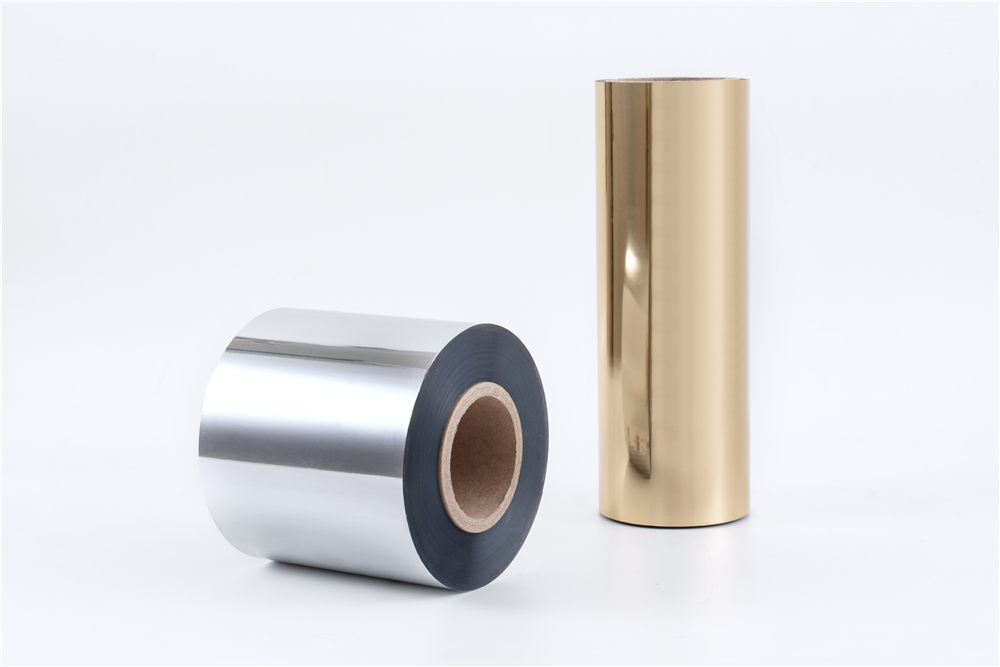
Cold foil rolls for metallic label and shrink sleeve effects
What Should Be Tested Before Printing a Customized Shrink Sleeve
|
Which Cold Foil Roll Fits a Narrow-Web Flexo Line
Start with the press model, web width, line speed, adhesive unit, ink sequence, and film specification. Confirm the roll width and core so the foil can run with stable tension and efficient lane use. Narrow web cold foil is commonly considered for labels, shrink sleeves, in-mold labels, and plastic tubes supplied in rolls. A supplier should also know whether the design needs a broad metallic panel, fine type, holographic pattern, reverse printing, or overprinting. Those details influence the suitable product family and trial conditions.
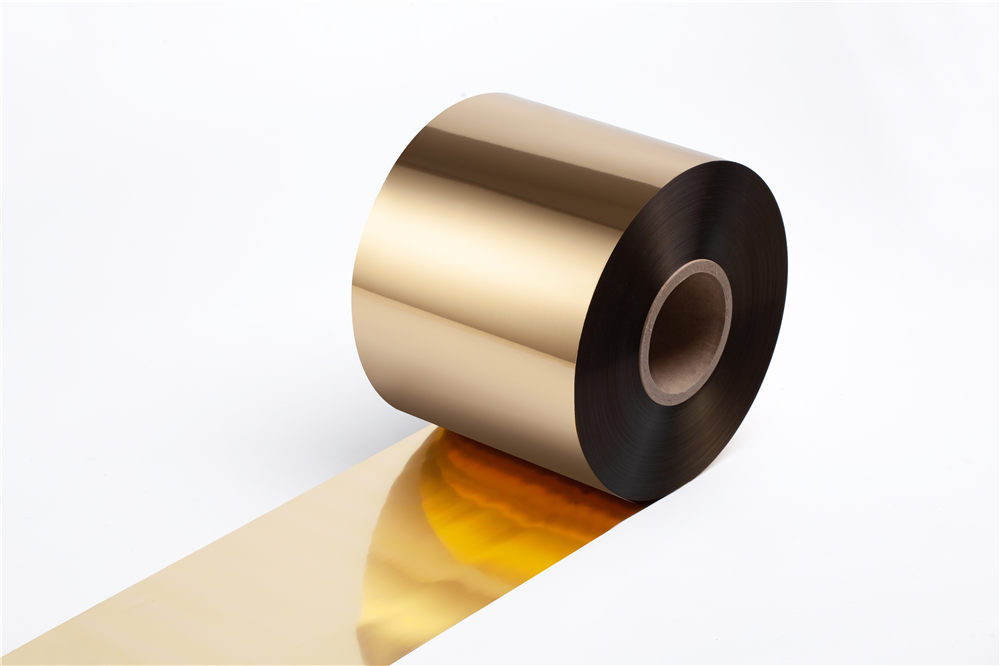
Cold foil roll with transferred metallic film
How Can Dragon Foils Support Cold Foil Shrink Sleeve Projects
Dragon Foils lists FXC flexo cold foil for applications that include labels, shrink sleeves, IML, and plastic tubes. Its metallic FXC range can be considered when the design needs a reflective base for overprinting, while the holographic FXC range is relevant when the sleeve requires a patterned or rainbow effect. The product choice still needs to be confirmed through a trial on the actual film and after the expected shrink process. For a recommendation, provide the film type, shrink ratio, press, web width, line speed, adhesive, ink system, artwork, and requested finish.
Conclusion
Treat the shrink test as part of printing approval. Check transfer, adhesion, registration, overprint, rub resistance, and final readability on the container before releasing the production run. To review cold foil printing technology, narrow web cold foil, and foil for shrink-sleeves label applications, visit Dragon Foils and contact the team with the complete production specification.