
How Holographic Foil Improves Anti-Counterfeiting for Wine & Cosmetic Labels?
Counterfeit products have become a growing problem in the premium packaging industry. From fake wine bottles to imitation luxury cosmetics, counterfeit packaging can damage brand reputation and reduce consumer trust. As a result, more wine label printing companies and cosmetic label manufacturers are investing in advanced anti-counterfeiting packaging technologies.
Among these technologies, holographic foil has become one of the fastest-growing solutions for premium labels. Compared with standard metallic decoration, holographic foil combines visual impact with security protection, making it difficult for counterfeiters to copy. At the same time, both hot foil stamping and cold foil technologies allow converters to integrate holographic effects into high-end packaging designs.
Today, holographic foil is widely used in wine labels, cosmetic labels, pharmaceutical packaging, and security seals because it improves both shelf appeal and anti-counterfeiting performance.
What Is Holographic Foil?
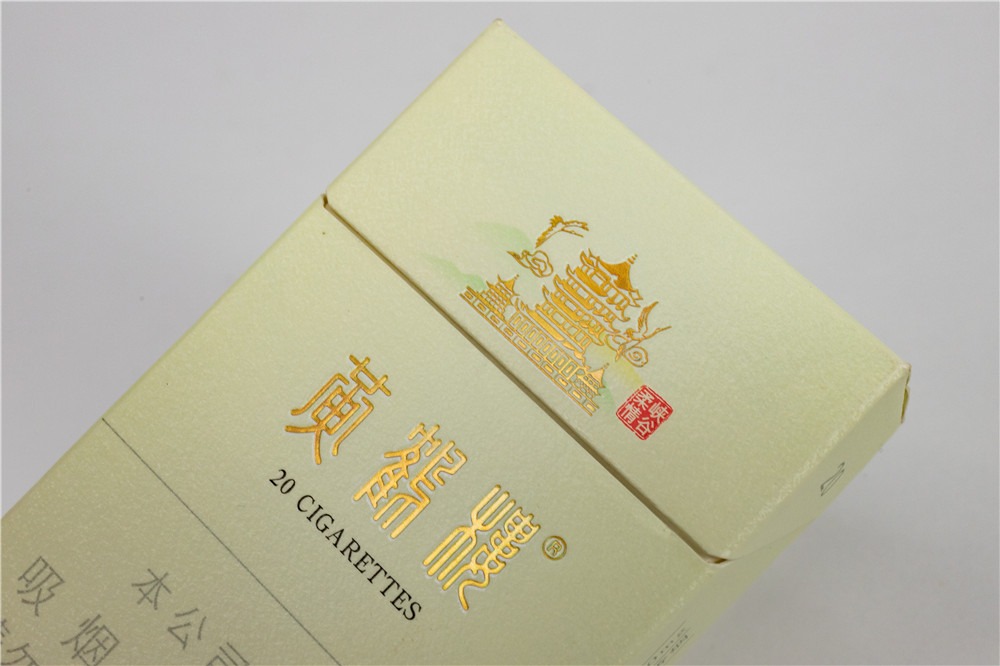
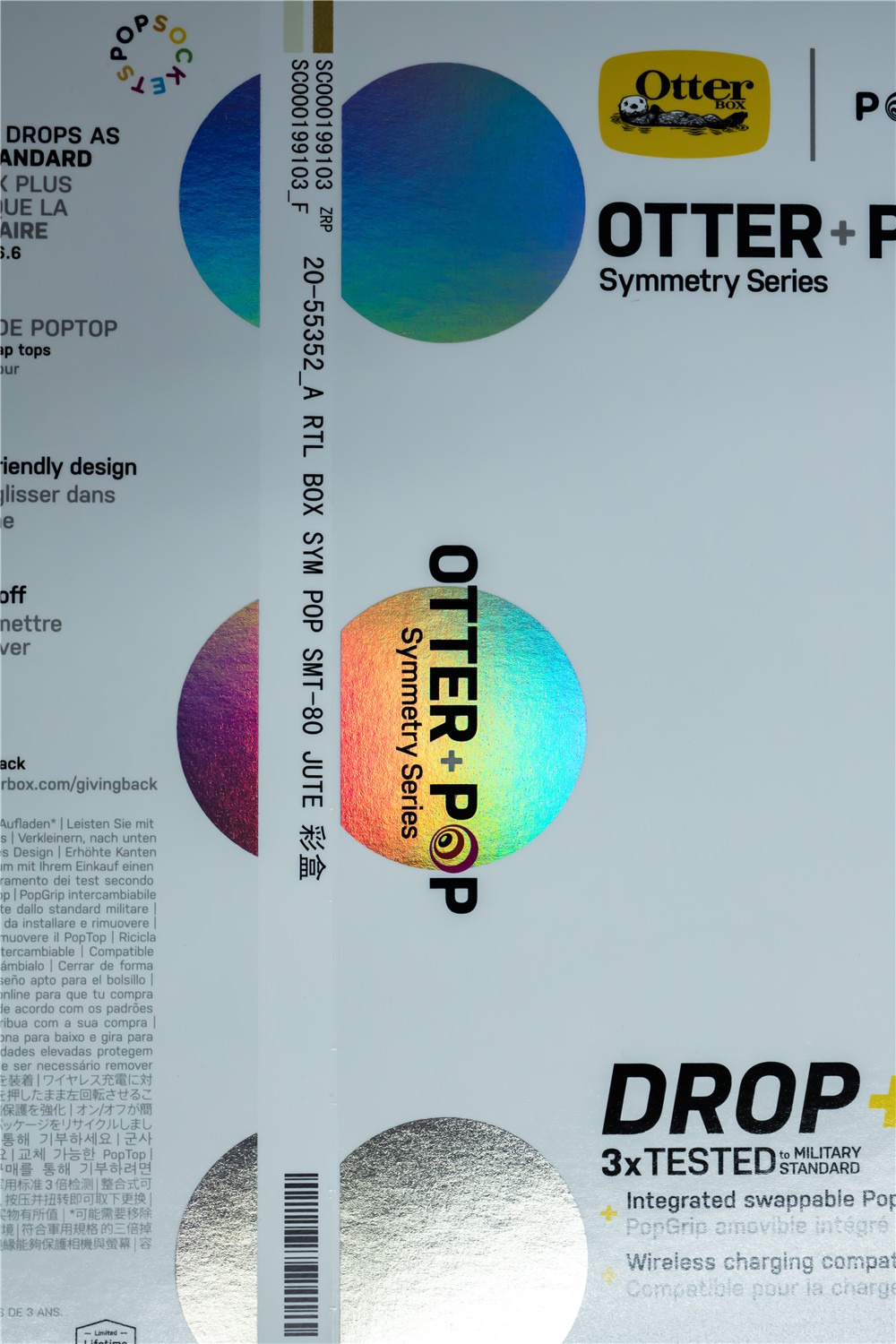
Holographic foil is a specialized metallic foil designed with micro-embossed patterns that create diffraction effects when exposed to light. These patterns reflect light at different angles, producing dynamic rainbow-like visuals that are difficult to reproduce using ordinary printing methods.
In holographic foil printing, the foil layer is transferred onto the substrate through either hot foil stamping or cold foil technology. The result is a premium metallic surface with strong optical effects and enhanced security features.
Unlike standard metallic foil layers, holographic foil can contain customized security elements, hidden graphics, micro-text, and multi-dimensional reflective patterns that improve anti-counterfeiting performance.
Why Anti-Counterfeiting Matters in Premium Labels?
Premium brands rely heavily on packaging authenticity. For industries such as wine, cosmetics, and pharmaceuticals, counterfeit packaging can lead to financial losses, legal risks, and damaged customer trust.
Wine Label Authentication Challenges
In wine label printing, counterfeit wine packaging has become a serious concern for global brands. Fake labels can imitate logos, embossing, and metallic decoration, making it difficult for consumers to distinguish genuine products from imitations.
Because wine labels often use luxury visual elements, holographic foil provides an additional layer of authentication. Unique optical patterns and reflective effects are harder to duplicate than standard metallic printing.
Many premium wineries now combine hot foil stamping with holographic foil to create security-enhanced wine labels that improve both product value and anti-counterfeiting capability.
Cosmetic Packaging Security Risks
The cosmetic industry faces similar challenges. Luxury cosmetic packaging often uses metallic finishes, embossed textures, and decorative foil effects to strengthen brand identity. However, counterfeit cosmetic labels continue to increase in many markets.
For cosmetic labels, holographic foil helps brands create packaging that is visually distinctive and more secure. Consumers can quickly identify authentic products through customized holographic effects, improving trust in luxury cosmetic packaging.
How Holographic Foil Enhances Label Security?
Unique Optical Effects Difficult to Replicate
One of the biggest advantages of holographic foil is its complex visual structure. The diffraction effects generated by holographic patterns change under different lighting angles, making replication extremely difficult.
Unlike ordinary metallic printing, holographic foil contains precision optical structures that require specialized manufacturing equipment. This creates a strong anti-counterfeiting barrier for premium labels.
Multi-Layer Security Design
Modern holographic foil solutions can include multiple security layers within a single label design. These may include:
- Hidden security images
- Micro-text patterns
- Serialized holographic elements
- Tamper-evident structures
Combined with hot foil stamping or cold foil processes, these features improve packaging security without compromising visual appearance.
Better Shelf Recognition for Premium Products
Besides security protection, holographic foil also improves shelf visibility. Reflective metallic effects help products stand out in crowded retail environments, especially for wine bottles and cosmetic packaging.
For premium brands, this combination of branding and security makes holographic foil a valuable packaging solution.
Hot Foil Stamping vs Cold Foil for Security Labels
When Hot Foil Stamping Works Better:
Hot foil stamping is often preferred for small-area premium labels that require precise detail and strong metallic texture. The heated die process creates deeper embossing and sharper holographic transfer, making it suitable for luxury wine labels and cosmetic labels.
Hot foil stamping also provides excellent durability and tactile quality, which are important for high-end packaging applications.
When Cold Foil Is Better for High-Speed Printing:
Cold foil is more suitable for high-speed printing environments, especially inline flexographic and offset production lines. Because cold foil does not require heated dies, converters can achieve faster production speeds and shorter setup times.
For large-volume label production, cold foil offers better efficiency while still supporting holographic foil applications.
Common Problems in Holographic Foil Printing
Unstable Foil Transfer at High Printing Speeds
In high-speed printing environments, unstable foil transfer is one of the most common production issues. Improper adhesive control, incorrect pressure settings, or substrate incompatibility can reduce holographic clarity.
Using optimized cold foil systems and compatible adhesives can improve transfer stability during fast production runs.
Poor Registration on Small Labels
Small cosmetic labels and miniature wine labels often face registration challenges during holographic foil printing. Even slight alignment deviations can affect edge quality and reduce visual precision.
Accurate tension control and precise registration systems are critical for small-format foil applications.
Weak Holographic Visibility After Lamination
Some converters experience reduced holographic visibility after lamination. Excessive adhesive thickness or incompatible film materials can weaken diffraction effects.
Selecting lamination materials designed for holographic foil applications helps preserve reflective performance.
Foil Edge Cracking and Wrinkling
Foil cracking and wrinkling may occur when substrates are too rigid or when pressure settings are unstable during hot foil stamping. Proper temperature control and substrate compatibility testing can reduce these defects.
Best Applications for Holographic Foil Labels
Wine Labels
Premium wine labels use holographic foil to improve anti-counterfeiting protection while enhancing luxury appearance. Combined with embossing and metallic decoration, holographic effects help wineries create stronger shelf differentiation.
Cosmetic Labels
Luxury cosmetic packaging increasingly uses holographic foil for product authentication and premium branding. Reflective effects create a modern visual appearance while improving consumer confidence.
Pharmaceutical Security Labels
Pharmaceutical packaging also benefits from holographic foil technology. Security labels with holographic elements help reduce counterfeit medicine risks and improve traceability.
How to Choose the Right Holographic Foil Solution?
Choosing the right holographic foil depends on several production factors:
- Printing speed: Cold foil is better for high-speed inline production.
- Label size: Hot foil stamping performs better on small detailed labels.
- Anti-counterfeiting level: Multi-layer holographic structures provide stronger security.
- Substrate compatibility: Different papers and films require different foil systems.
Converters should evaluate both visual requirements and production conditions before selecting a holographic foil solution.
Conclusion
Today, holographic foil is no longer just a decorative packaging material. It has become an important security packaging solution for premium wine labels, cosmetic labels, and pharmaceutical packaging.
By combining advanced optical effects with hot foil stamping or cold foil technology, brands can improve anti-counterfeiting protection while enhancing product visibility and premium appearance.
As counterfeit risks continue to grow, holographic foil printing will remain an important technology in the future of premium label production
FAQs
Q1: What is the difference between holographic foil and metallic foil?
A: Metallic foil mainly provides reflective decoration, while holographic foil contains diffraction patterns and security features that create dynamic optical effects.
Q2: Can holographic foil improve anti-counterfeiting?
A: Yes. Holographic foil improves anti-counterfeiting by using complex optical structures and customized security patterns that are difficult to replicate.
Q3: Is cold foil suitable for holographic labels?
A: Yes. Cold foil is widely used for holographic labels in high-speed printing applications, especially for inline flexographic production.
Q4: Why do holographic labels fail at high printing speeds?
A: Common causes include unstable adhesive control, incorrect pressure settings, poor registration accuracy, and incompatible substrates.
Q5: Which industries use holographic foil labels most?
A: Wine label printing, luxury cosmetic packaging, pharmaceutical security labels, and premium consumer goods are among the most common applications.