
Hot Stamping Foil Solutions for Rough Paper Surfaces
Anyone who has tried to apply metallic foil on kraft packaging, linen covers, or recycled cardboard knows the frustration. What looks flawless on coated stock suddenly becomes messy on textured substrates. Lines break, metallic areas become patchy, and embossing appears uneven.
The reason is simple: hot stamping foil relies on heat, pressure, and adhesive contact. Smooth paper gives a flat surface for uniform adhesion, but rough paper surfaces behave like miniature hills and valleys. Adhesive touches the peaks but misses the recessed areas, causing incomplete foil transfer. This is why specialized hot stamping foil solutions exist—products engineered to bond with porous or uneven fibers.
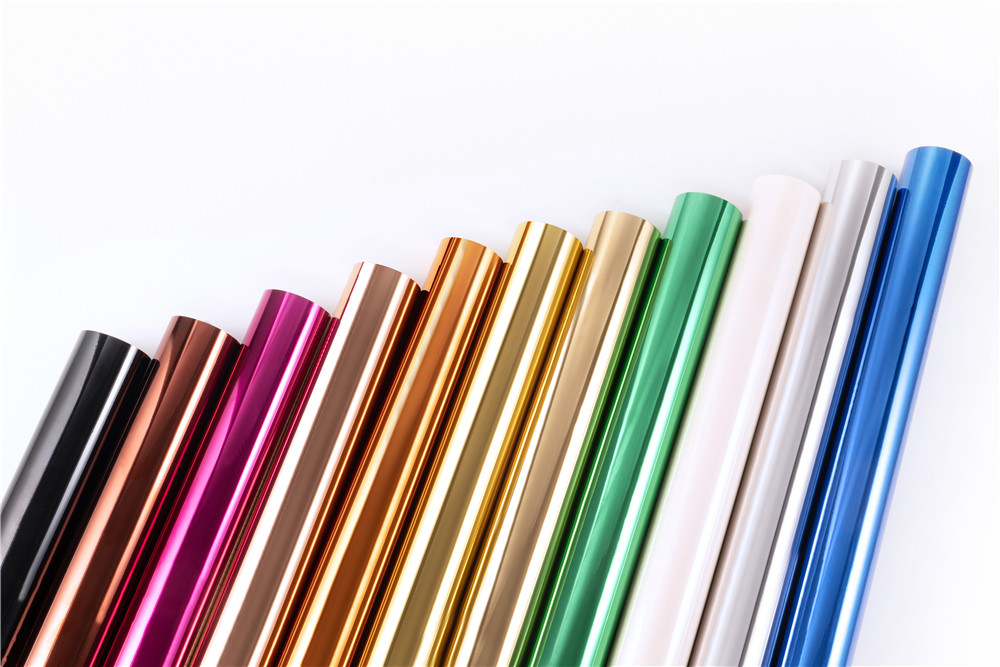
Hot Stamping Foil for Rough Paper
Understanding How Foil Works on Textured Paper?
A hot stamping foil contains four layers: carrier film, release coating, color or metallic layer, and adhesive. With normal stock, the adhesive melts, spreads, and bonds quickly. On rough paper, however:
● The adhesive sinks unevenly into open fibers.
● The paper texture blocks the foil from reaching deeper gaps.
● The heat may not penetrate thick boards or embossed textures.
To address this, manufacturers create hot stamping film with stronger bonding strength or wider activation ranges. These foils are often labeled as:
● Deep surface foil
● High bonding adhesive foil
● Craft paper foil
They are designed to handle applications like wine packaging, craft greeting cards, chocolate boxes, and uncoated stationery.
Matching Foil Types to Substrate Textures
Different textures require different foil formulations. Here are three common cases:
1. Kraft Paper: Kraft fibers act like sponges. They absorb adhesive aggressively, so a foil with a thicker bonding layer and slightly higher activation temperature works best. Printers often choose darker metallics—antique gold or copper—because they visually complement earthy material.
2. Linen Board: Linen embossing has deep grooves. A flexible release layer allows the foil to sink into ridges instead of cracking on the edges. Premium book covers and notebook brands rely on this approach to avoid uneven lettering.
3. Recycled Cardboard: Recycled stock is unpredictable. Fiber density changes from spot to spot. A foil with a wide tolerance window—one that performs well between multiple pressures and temperatures—minimizes defects when running batches of packaging.
The Hidden Role of Equipment Settings
Even the right foil will fail if the machine is not tuned correctly. Skilled operators adjust three parameters:
● Temperature: With rough paper, the adhesive needs more time to activate. Many printers increase temperature by 5-15°C above standard settings. The goal isn't to scorch the paper, but to soften adhesive enough to penetrate micro-pores.
● Pressure: This is the most important factor. Too little pressure leaves gaps; too much pressure crushes fibers or distorts embossing. Some shops use shim sheets or incremental platen adjustments instead of pushing temperature further.
● Dwell Time: Adding 0.1-0.2 seconds can dramatically improve transfer. On textured greeting cards or heavy packaging sleeves, longer dwell helps the adhesive move into valleys and lock into fibers.
Choosing the Right Die Material
The die determines how pressure distributes across the substrate.
● Magnesium dies: Cheap, good for coated stock. Not ideal for rough surfaces or long runs.
● Brass dies: Balanced hardness, polished edges, great for premium packaging applications like perfume boxes or tea tins.
● Steel dies: The sharpest and most durable. Used for high-detail logos or mass production where consistent stamping is crucial.
Engraved dies provide crisp definition, especially when foil must reach into textured paper grain.
Artwork Adjustments That Avoid Failure
Designers often blame foil when the real issue is the artwork. Thin strokes or micro-serif fonts break easily on rough paper. Practical adjustments include:
● Increasing line thickness by 5-10%
● Simplifying micro-details in logos
● Using solid icons instead of hairline shapes
When fine details cannot be simplified, switching from metallic to pigment foil helps. Pigment foil produces a matte solid color that hides minor inconsistencies and reads better on porous surfaces such as stone paper, kraft mailers, or recycled cardboard.
Sustainability and Surface Texture
Luxury packaging is evolving. Brands want tactile materials, recycled papers, and sustainability messaging—but still want premium finishing. Modern suppliers now offer:
● Eco-friendly foil formulations
● Reduced-solvent adhesives
● Recyclable carrier films
When paired with textured substrates, these foils provide high-end metal effects without compromising environmental goals. Many factories specializing in foil stamping for rough paper highlight waste reduction as part of their brand identity.
Why Collaboration Matters?
Rough paper is not one-size-fits-all. The most successful projects involve communication between foil manufacturers, printers, and designers. Sharing substrate information (e.g., "400 gsm kraft", "linen board", "embossed paper") allows suppliers to recommend the best foil instead of a generic product.
Experienced print shops even keep standard test charts for common materials like wine packaging, cosmetic cartons, and boutique gift boxes. They record temperature, pressure, dwell time, and foil type—saving time when clients reorder.
Conclusion
Hot stamping foil solutions for rough paper surfaces are not simply about finding a "stronger foil." They involve pairing the right foil type with proper machine settings, die material, and thoughtful artwork. By understanding how adhesive flows through textured fibers and choosing foils designed for kraft, linen, or recycled stock, you unlock deeper metallic finishes that look intentional, luxurious, and durable.