
Hot, Cold & Holographic Foil Stamping Process Explained
The foil stamping process is widely used in modern printing and packaging to create premium visual effects. From luxury boxes to high-security labels, foil adds metallic shine, texture, and brand value.
Today, both the hot foil stamping process and cold foil printing are used across industries. Each method offers different advantages in terms of speed, cost, and material compatibility.
In this guide, you’ll learn how the foil stamping machine process works, the differences between hot, cold, and holographic foil, and how to choose the right solution for your project.
What is Foil Stamping Printing?
Foil stamping is a printing process that transfers a thin layer of foil onto a surface using heat, pressure, or adhesive. It is commonly used to create metallic, glossy, or decorative effects in packaging and printed materials.
Foil Stamping vs Foil Printing
- Foil stamping uses a die and pressure (with or without heat) to transfer foil
- Foil printing (often cold foil) applies foil using adhesive and printing systems
In short, the hot foil stamping process focuses on precision and premium finish, while foil printing offers faster, inline production.
How Does the Foil Stamping Process Work? (Step-by-Step)
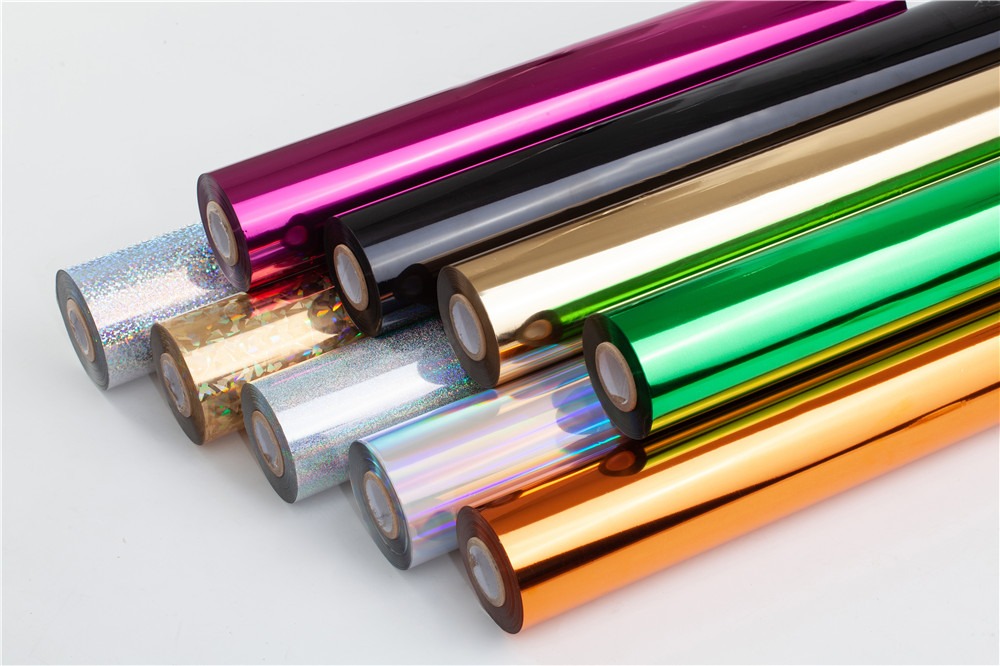
Understanding the foil stamping process helps buyers choose the right solution for packaging, labels, and printed products. Whether using a hot foil stamping process or a cold method, the workflow follows a similar structure.
Step1: Preparation of the material
The process starts with selecting and preparing the substrate.
Common materials include paper, cardboard, plastic, and coated surfaces.
The surface must be clean, flat, and compatible with foil adhesion.
Poor preparation can lead to weak transfer or uneven results during the foil stamping machine process.
Step2: Design and manufacturing of dies
A custom metal die is created based on the design.
This die defines the final shape, pattern, or logo.
In the hot foil stamping process, the die must also withstand high temperature and pressure.
Precision engraving is critical to ensure sharp edges and consistent foil transfer.
Step3: Applications of foil stamping (Heat/Pressure/Adhesive)
At this stage, foil is introduced between the die and the substrate.
In a hot foil stamping process, heat and pressure activate the adhesive layer on the foil.
In a foil stamping machine process using cold foil, UV adhesive replaces heat.
Proper control of temperature, pressure, and speed directly affects the final quality.
Step4: Foil Transfer and Bonding
The foil is pressed onto the substrate, transferring the metallic or pigmented layer.
During the hot foil stamping process, heat ensures strong bonding.
In contrast, cold foil relies on curing systems.
A stable foil stamping machine process ensures clean release, sharp details, and no foil breaks.
Step5: Finishing and Quality Inspection
After stamping, the product is inspected for defects such as incomplete transfer or misalignment.
Additional finishing steps may include embossing, lamination, or cutting.
Consistent quality control ensures the foil stamping process meets packaging and branding standards.
Hot Foil Stamping Process Explained
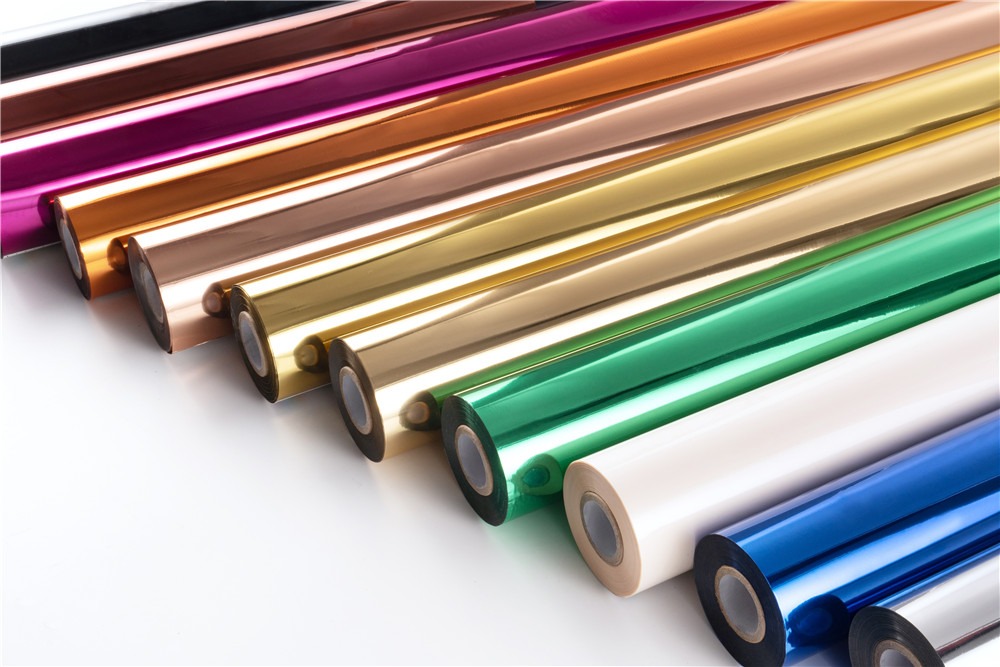
The hot foil stamping process is one of the most widely used methods in premium printing and packaging. It uses heat and pressure to transfer a thin layer of hot stamping foil onto a surface, creating a metallic or glossy finish.
How the Hot Foil Stamping Process Works?
In a typical hot foil stamping process, a heated metal die presses the foil against the substrate.
The heat activates the adhesive layer on the hot stamping foil, allowing it to bond firmly to the material.
This foil stamping machine process requires precise control of temperature, pressure, and dwell time.
If any parameter is unstable, it may result in incomplete transfer or blurred edges.
Suitable Materials for Hot Foil Stamping
The hot foil stamping process works best on materials that can handle heat and pressure.
Common substrates include:
- Coated paper and cardboard
- Rigid boxes and packaging board
- Leather and synthetic materials
- Some plastics with heat resistance
Material compatibility is critical.
A stable foil stamping machine process ensures strong adhesion and clean visual results.
Typical Applications in Packaging and Printing
The hot foil stamping process is widely used in high-end and branding-focused industries.
Typical applications include:
- Luxury packaging boxes
- Cosmetic and skincare packaging
- Wine labels and premium labels
- Book covers and invitation cards
Hot stamping foil is especially valued for its reflective and tactile effect, helping brands stand out on shelves.
Cold Foil Stamping Process Explained
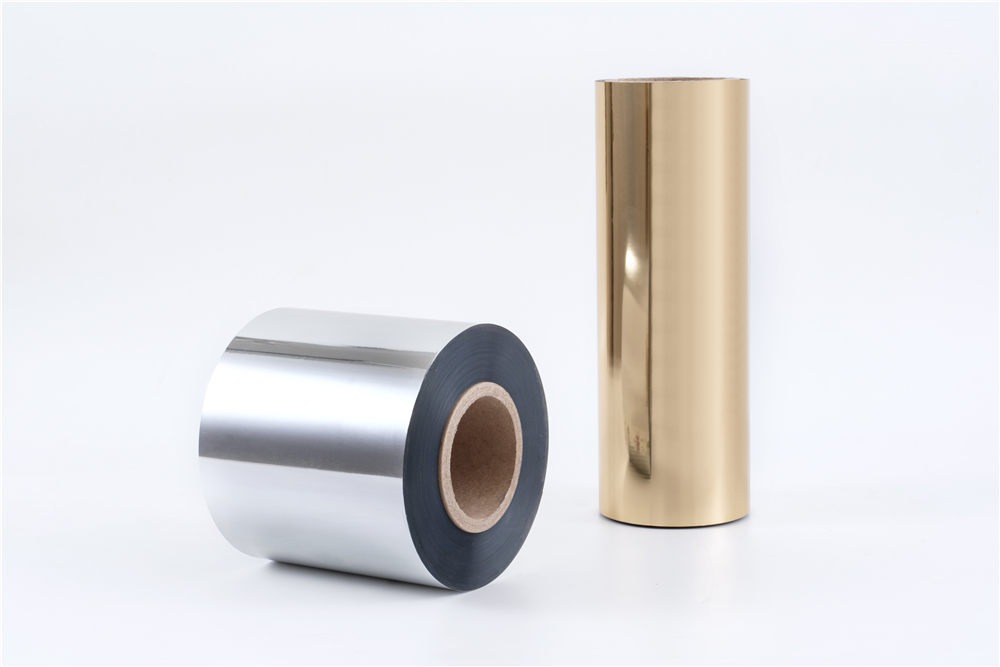
The cold foil printing process is a modern alternative to traditional foil stamping. It uses UV adhesive and curing instead of heat, making it faster and more suitable for high-speed production.
How the Cold Foil Process Works
In a typical cold foil process, a UV-curable adhesive is first applied to the substrate through a printing plate.
A thin layer of foil is then pressed onto the adhesive.
Instead of heat, UV lamps cure the adhesive instantly.
This allows the foil layer to bond to the printed areas while the excess foil is removed.
Compared to a hot foil stamping process, this foil stamping machine process eliminates the need for heated dies.
UV Adhesive and Curing Technology
The key to the cold foil printing process is UV adhesive.
- The adhesive defines where the foil will transfer
- UV curing ensures fast and precise bonding
- No heat means less material stress
This makes the cold foil process ideal for sensitive substrates and thin materials.
Inline Printing Compatibility
One major advantage of the cold foil printing process is its compatibility with inline printing systems.
It can be integrated directly into offset or flexo presses.
This means foil application and printing can happen in a single pass.
For converters, this foil stamping machine process reduces production steps and improves efficiency.
Speed and Cost Advantages
The cold foil process is designed for high-speed production.
- No heating time required
- Faster setup compared to hot foil stamping
- Suitable for large-volume jobs
From a cost perspective, the cold foil printing process reduces energy consumption and tooling costs.
It is especially effective for long runs where efficiency matters most.
Typical Applications
The cold foil printing process is widely used in:
- Labels and flexible packaging
- FMCG product packaging
- Promotional and commercial printing
It is ideal for projects that require metallic effects with fast turnaround times.
Holographic Foil Stamping Process
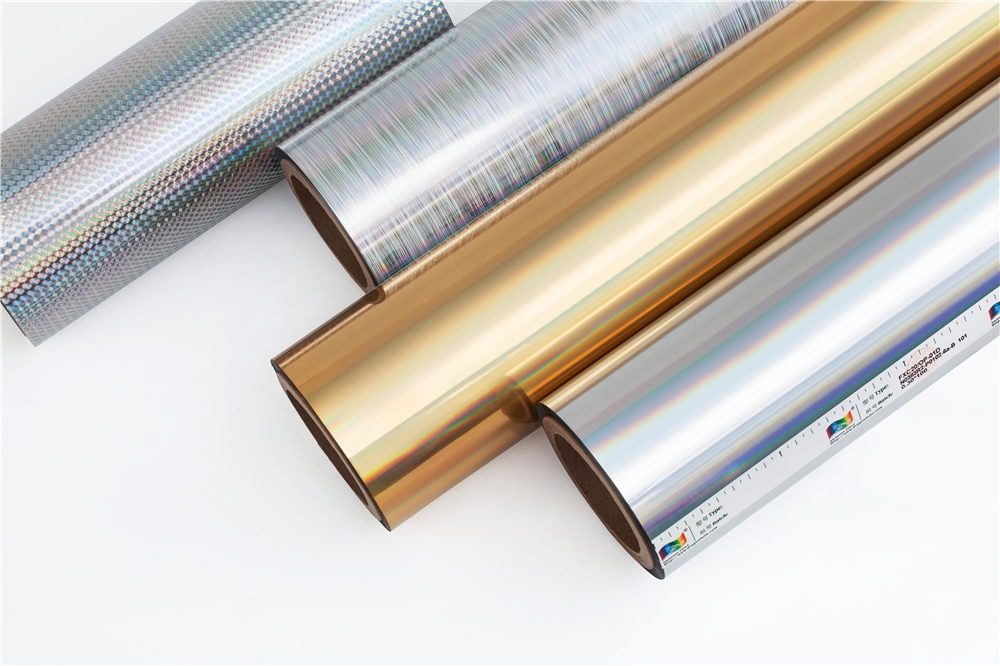
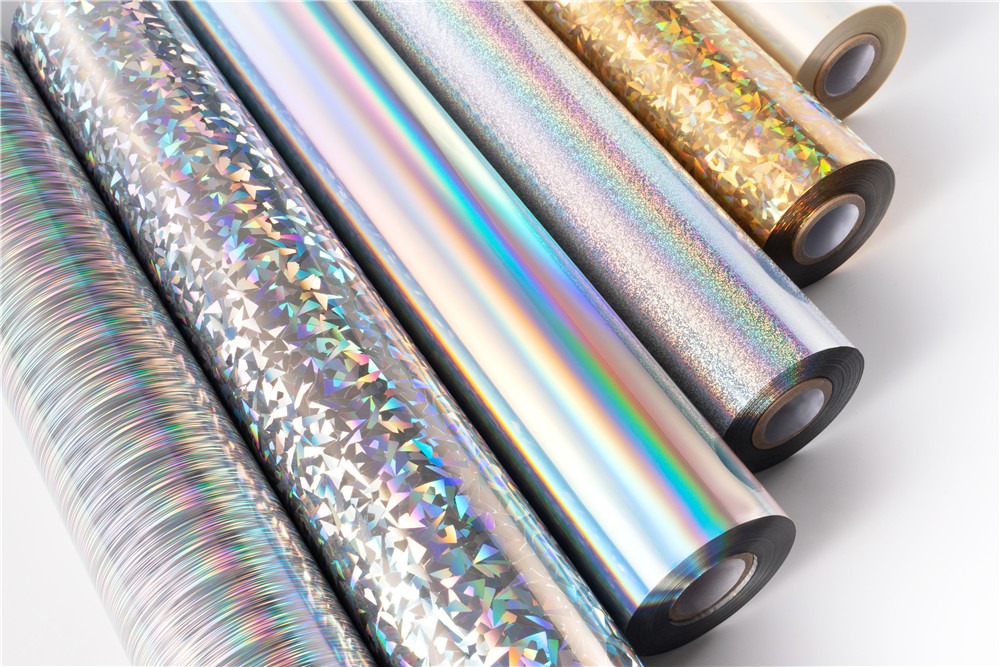
The holographic foil stamping process is designed to create dynamic visual effects and enhance product security. It uses a diffraction layer that reflects light at different angles, producing a shifting, multi-dimensional appearance.
How the Holographic Foil Process Works
In a typical holographic foil process, a pre-embossed foil with a diffraction pattern is transferred onto the substrate.
This can be done through a hot foil stamping process or a cold foil method.
However, the hot foil stamping process is more commonly used to ensure stable transfer and high pattern clarity.
A controlled foil stamping machine process is essential.
Any variation in pressure or alignment may distort the holographic effect.
Diffraction Layer and Visual Effect
The core of the holographic foil stamping process is the diffraction layer.
- It reflects light to create rainbow or 3D effects
- It enhances shelf appeal and brand visibility
- It provides a premium metallic finish
This makes holographic foil ideal for high-end packaging and branded labels.
Security Applications
The holographic foil process is widely used for anti-counterfeiting.
Typical applications include:
- Tobacco packaging and tax labels
- Pharmaceutical packaging
- High-value consumer goods
For example, holographic cold foil products (like your FXD / FXC series) are commonly used in label printing, offering both metallic effects and security features in one solution.
Transfer Requirements (Temperature and Pressure)
The holographic foil stamping process requires stricter control than standard foil.
- Temperature must be consistent in hot foil stamping process
- Pressure must be evenly distributed
- Machine speed must be optimized
A stable foil stamping machine process ensures:
- Clear diffraction patterns
- No image distortion
- Strong adhesion
Key Differences of Hot vs Cold Foil Stamping
Both hot and cold methods are widely used in the foil stamping process, but they serve different production needs.
|
Factor |
Hot Foil Stamping |
Cold Foil Printing |
|
Process Type |
Uses heat and pressure |
Uses UV adhesive and curing |
|
Equipment |
Requires heated die |
No heated die required |
|
Speed |
Slower setup and production |
High-speed inline production |
|
Cost |
Higher setup cost |
Lower cost for long runs |
|
Detail Quality |
Sharp, high-definition results |
Good detail, depends on printing system |
|
Material Compatibility |
Works on heat-resistant substrates |
Suitable for thinner and sensitive materials |
|
Applications |
Luxury packaging, rigid boxes, premium labels |
Labels, flexible packaging, FMCG products |
Which Process Should You Choose?
Choosing between hot and cold depends on your project needs.
- Use the hot foil stamping process for premium finishes and deep emboss effects
- Choose the cold foil process for high-speed production and cost efficiency
A well-optimized foil stamping machine process ensures consistent quality in both methods.
Types of Foils Used in Printing
Different foil types are used in the foil stamping process to achieve specific visual and functional results. Choosing the right foil is critical for packaging performance, branding, and production efficiency.
Metallic Foil
Metallic foil is the most common option in both the hot foil stamping process and cold foil printing.
It delivers a strong reflective finish, making it ideal for:
- Luxury packaging
- Cosmetic boxes
- Premium labels
Metallic foil works well in a stable foil stamping machine process, ensuring clean transfer and sharp details.
It is widely used when brands want a high-end metallic appearance.
Pigment Foil
Pigment foil focuses on color rather than shine.
It is often used in the foil stamping process where a matte or satin effect is required.
Compared to metallic foil, it offers better readability on certain packaging designs.
Typical applications include:
- Book covers
- Instructional labels
- Branded packaging with subtle finishes
This type of foil is compatible with both the hot foil stamping process and cold foil process.
Holographic Foil
Holographic foil is designed for visual impact and security.
It creates diffraction effects that change under light, making it ideal for:
- Anti-counterfeiting packaging
- High-security labels
- Premium consumer goods
For example, specialized options like cigarette packaging foils (as shown in your product line) are widely used in tobacco packaging to enhance metallic texture and brand recognition.
This type of foil requires a controlled foil stamping machine process to maintain pattern clarity and avoid distortion.
Security Foil
Security foil is developed specifically for anti-counterfeiting applications.
It is commonly used in:
- Pharmaceutical packaging
- Government labels
- High-value product packaging
These foils may include micro-text, holographic layers, or hidden features.
They are often applied using a precise hot foil stamping process to ensure durability and authenticity.
Advantages and Limitations of Foil Stamping
The foil stamping process is widely used for premium packaging and printing. It offers strong visual impact, but it also comes with certain limitations depending on the application and production setup.
Key Advantages
- Premium visual effect
The hot foil stamping process delivers a high-gloss, metallic finish that enhances brand value. - Strong durability
Foil layers are resistant to fading, making them suitable for long-term use. - Wide material compatibility
The foil stamping machine process works on paper, cardboard, leather, and some plastics. - Versatile design options
Supports metallic, pigment, and holographic effects for different industries. - Brand differentiation
Ideal for luxury packaging, labels, and anti-counterfeiting applications.
Main Limitations
- Higher setup cost
The hot foil stamping process requires custom dies and heating systems. - Slower production speed
Compared to the cold foil process, it is less efficient for large-volume jobs. - Material restrictions
Some substrates may not tolerate heat or pressure well. - Complex process control
A stable foil stamping machine process is required to avoid defects like incomplete transfer or misalignment.
Quick Comparison
|
Aspect |
Advantage |
Limitation |
|
Visual Quality |
High-end metallic |
May vary with process control |
|
Cost |
Valuable for premium products |
Higher initial setup |
|
Speed |
Suitable for detailed designs |
Slower than cold foil process |
|
Flexibility |
Multiple foil types available |
Requires material compatibility |
How to Choose the Right Foil Stamping Process for Your Project?
Choosing the right foil stamping process depends on your production needs, budget, and application scenario. A clear decision strategy can help improve efficiency and reduce costs.
Production Volume: Small Batch vs Mass Production
- For small batches or high-end products, the hot foil stamping process is a better choice.
- For large-scale production, the cold foil printing process offers higher speed and efficiency.
A well-planned foil stamping machine process ensures consistent output in both cases.
Cost Sensitivity
- If your project has a tight budget, the cold foil process reduces tooling and energy costs.
- If branding is the priority, investing in a hot foil stamping process can deliver better visual impact.
Balancing cost and quality is key for B2B buyers.
Material Compatibility
Different materials require different processes.
- Heat-resistant substrates work well with hot foil stamping
- Thin or sensitive materials are better suited for cold foil printing
Choosing the right foil and process helps avoid production issues.
Branding and Visual Requirements
- Use the hot foil stamping process for luxury packaging and premium branding
- Choose holographic or cold foil solutions for dynamic effects and high-speed applications
For example:
- PT series (hot stamping foil) is ideal for cigarette and premium packaging
- OSC series (cold foil) supports adhesive-based applications without heat
- FXD series / FXC series are suitable for label printing and flexible packaging
Decision Guide
|
Requirement |
Recommended Process |
|
High-end luxury finish |
Hot foil stamping process |
|
High-speed production |
Cold foil printing process |
|
Complex holographic effects |
Holographic foil stamping process |
|
Cost-efficient large runs |
Cold foil process |
FAQs
Q1: What is the process of foil stamping?
A: The foil stamping process involves preparing the material, creating a metal die, and transferring foil onto the surface using heat, pressure, or adhesive. A controlled foil stamping machine process ensures clean and durable results.
Q2: Is hot foil stamping easy to learn?
A: It’s not difficult to understand, but it takes experience to master. The hot foil stamping process requires precise control of temperature, pressure, and timing to avoid defects.
Q3: Can you foil stamp at home?
A: Yes, but only for simple projects. Small tools or laminators can be used, but they cannot match the consistency and quality of an industrial foil stamping machine process.
Q4: What printer do I need for foiling?
A: For cold foil printing, you typically need a compatible printing system like offset or flexo. Some small-scale foiling uses toner-based printers, but professional results rely on industrial equipment.
Q5: What are the disadvantages of hot foiling?
A: The hot foil stamping process has higher setup costs and slower production speed. It also requires heat-resistant materials and precise machine settings.
Q6: What are the 7 steps in the stamping method?
A: In general, the process includes: material preparation, die design, setup, foil positioning, stamping, foil transfer, and final inspection. Each step affects the final quality.
Q7:Do you need a laser printer for foiling?
A:Not always. Laser printers are mainly used in small-scale or DIY cold foiling. Industrial cold foil printing process systems use UV adhesive instead.
Q8: What equipment is needed for hot foiling?
A: You need a foil stamping machine, heated dies, foil rolls, and proper control systems. A stable foil stamping machine process is key to achieving consistent results.
Q9: Can you use a normal laminator for foiling?
A: For basic DIY projects, yes. But laminators are not designed for precise foil transfer, so results may be inconsistent compared to a professional foil stamping process.