
Digital Foil Stamping: A Guide to Modern Foil Decoration Solutions
In today’s fast-paced packaging and commercial printing landscape, brands require high-impact visual appeal without sacrificing speed or profitability. Digital foil stamping has emerged as a game-changing enhancement technology. It allows printing companies to deliver brilliant metallic and holographic effects directly onto packaging and labels without the time and expense of traditional tooling.
Whether you are looking for short-run custom packaging, variable data foil decoration, or seamless integration into your existing digital workflow, understanding how digital foil operates helps you select the right materials for maximum press performance.
What Is Digital Foil Stamping?
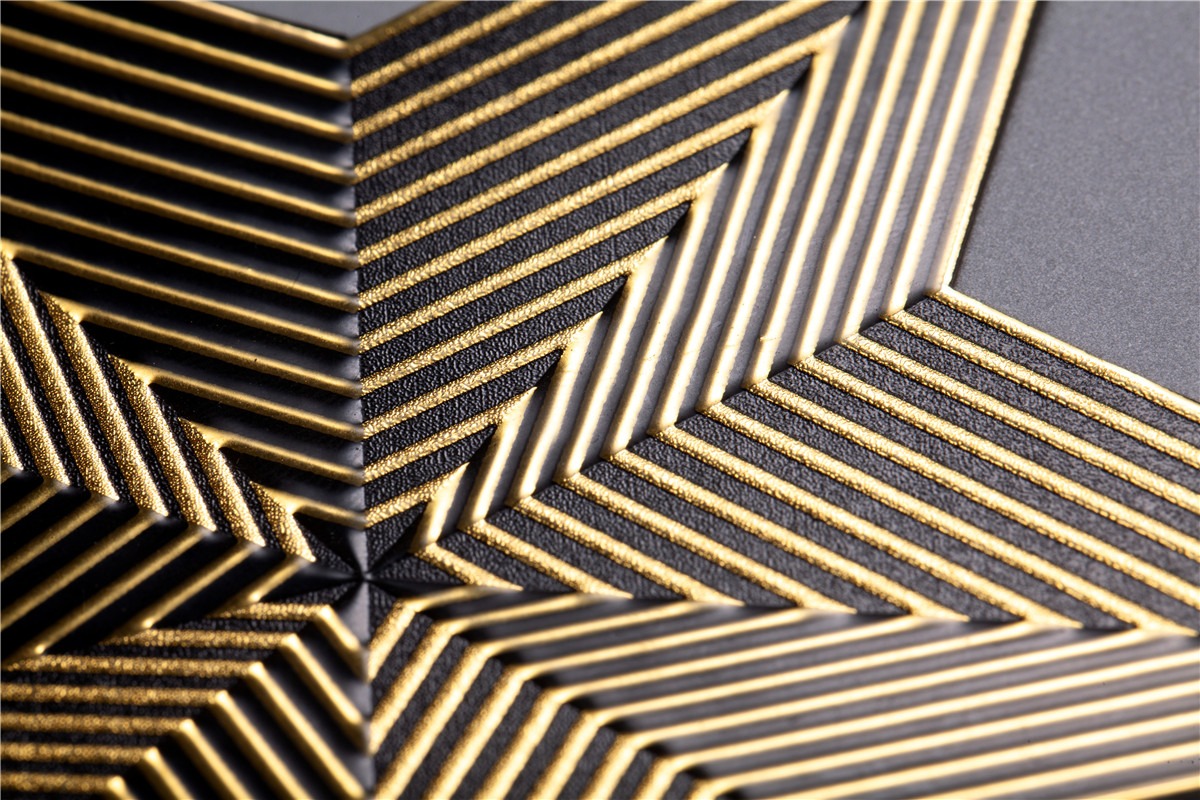
Digital foil stamping (often referred to as digital foil enhancement or toner-based/varnish-based foiling) is a process that transfers metallic or holographic foil onto selected areas of a substrate using digital printing heat or UV-curable varnish rather than custom metal dies.
How Digital Foil Works in Modern Printing Applications?
To explain digital printing combined with foil decoration, the core mechanism relies on selective adhesion:
1. Digital Image Pass: The press prints digital toner or specialized UV inkjet varnish onto the substrate in the exact shape of the desired design.
2. Foil Application: The digital foil roll passes over the substrate under a nip roller.
3. Selective Transfer: The foil's release layer activates only where it touches the wet UV varnish or heated toner, instantly bonding the metallic layer.
4. Stripping: The carrier PET film strips away cleanly, leaving a sharp, brilliant metallic image.
Digital Foil Stamping vs Traditional Foil Stamping Processes
Unlike conventional stamping methods that rely on physical brass or magnesium plates, digital foil operates entirely without dies. This eliminates prepress die-making fees, shortens setup times from hours to minutes, and reduces material waste during press calibration.
Why Digital Foil Is Used for Customized Packaging and Labels?
Customization is a major driver in modern packaging. Because digital print engines process variable data, digital foil enables customized short runs, personal names, seasonal graphics, unique batch numbering, and localized branding—all on the same production pass.
How Does Digital Printing Work with Foil Enhancement?
Understanding the Relationship Between Digital Printing and Foil Effects
To fully explain digital printing combined with foil enhancement, it is essential to understand that the foil layer sits on top of or directly interacts with digital inks. Because digital presses apply controlled layers of varnish or toner, the foil replicates fine detail, intricate micro-text, solid metallic fills, and raised 3D tactile effects.
Digital Printing Technologies Behind Precise Foil Application
Modern digital foil systems typically utilize two main technological pathways:
- Digital Inkjet Varnish Systems: High-precision inkjet heads spray UV varnish onto targeted areas. Passing through an inline foil unit, the foil adheres to the wet varnish before being UV-cured.
- Toner-Based Digital Systems: The press prints digital toner onto paper or synthetic sheets. When run through a heated lamination unit, the foil adheres exclusively to the printed toner zones.
Advantages of Combining Digital Printing with Decorative Foils
Combining digital printing with foil delivers exceptional operational flexibility:
Zero Tooling Costs: No metal die fabrication required.
Rapid Turnaround: Go from digital artwork file to finished foil print in a single day.
On-Demand Short Runs: Cost-effectively run jobs as small as 1 to 500 units.
Tactile 3D Finishes: Layering digital varnish creates raised, tactile foil finishes that mimic heavy embossing.
Digital Foil vs Hot Foil Stamping: Key Differences
Selecting the right embellishment method depends on run lengths, substrate choices, and visual goals.
|
Feature / Consideration |
Digital Foil Stamping |
Traditional Hot Foil Stamping |
|
Tooling & Dies |
None required (100% digital prepress) |
Requires custom metal stamping dies |
|
Setup Time |
Minimal (Digital file setup) |
Moderate to long (Mechanical die alignment) |
|
Variable Data Support |
Yes (Custom text, batch codes, personal names) |
No (Static artwork only) |
|
Ideal Run Lengths |
Short to medium runs, prototype samples |
Large, high-volume production runs |
|
Tactile 3D Capabilities |
High (Achieved via digital varnish height) |
High (Achieved via combination embossing dies) |
Application Process and Production Requirements
Digital foiling requires a compatible digital printing system or inline digital enhancement module. Traditional hot foil requires mechanical hot stamping presses capable of applying tons of pressure and regulated heat.
Design Flexibility and Customization Options
While hot stamping excels at static, large-scale long runs, digital foil stamping offers unmatched design freedom. Designers can adjust artwork between individual sheets without stopping the press, allowing every single carton or label to feature unique foil artwork.
Suitable Materials and Printing Applications
Digital foils are formulated for excellent adhesion on coated paperboards, synthetic films, laminated stocks, and smooth pressure-sensitive label substrates.
Choosing the Right Foil Solution for Your Project
- Choose digital foil when speed, variable artwork, zero tooling costs, and low minimum order quantities are paramount.
- Choose hot foil when running million-unit orders with heavy embossing on textured, uncoated paper stocks.
Applications of Digital Foil Stamping in Different Industries
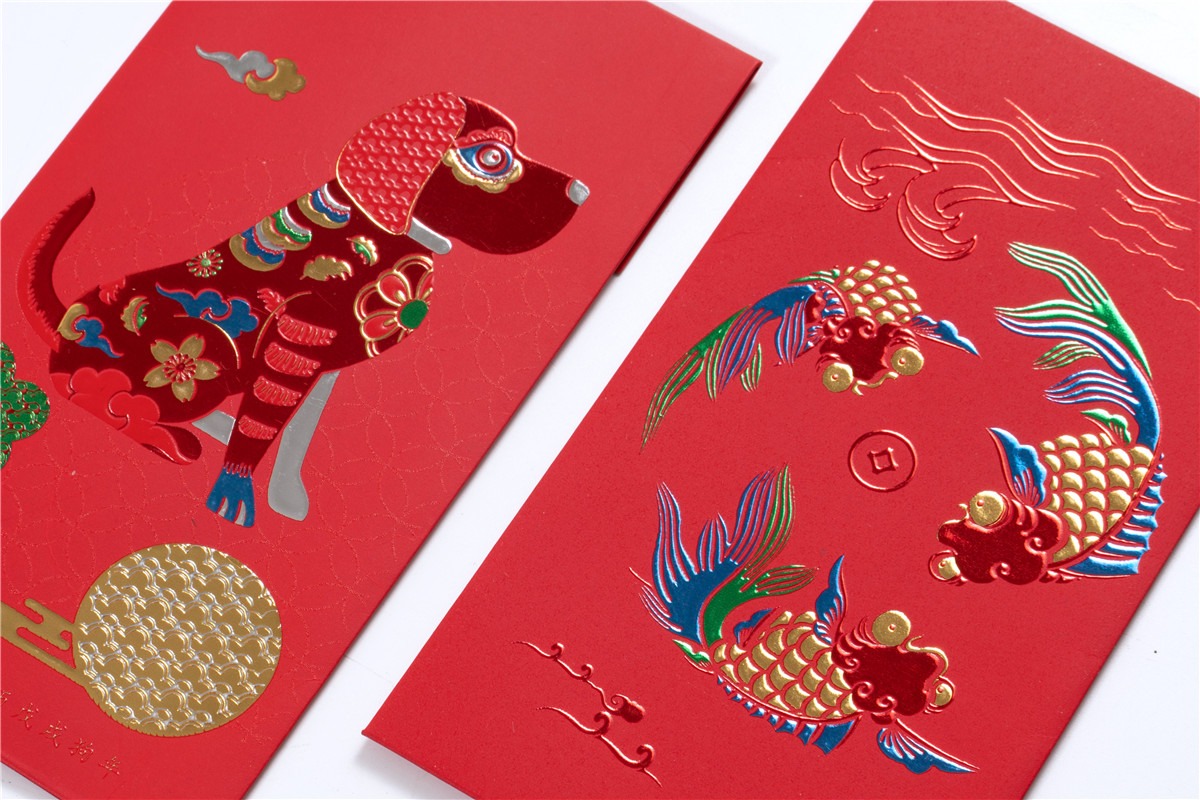
Luxury Packaging and Brand Identity Enhancement
Luxury rigid boxes, gift sets, and folding cartons utilize digital foil to highlight logos, create shimmering borders, and build premium shelf presence that commands higher retail pricing.
Labels and Product Identification Printing
For prime self-adhesive labels, digital foil delivers crisp micro-text, metallic accents, and high-gloss brand identification that stands out on retail shelves.
Cosmetics, Food, and Beverage Packaging Decoration
Skincare folding cartons, perfume boxes, wine labels, and artisanal food packaging leverage digital foil overprinted with CMYK inks to produce thousands of metallic color variations in a single pass.
Promotional Materials and Commercial Printing
High-end business cards, event invitations, book covers, and marketing brochures benefit from short-run digital foil finishing without the prohibitive cost of physical plates.
Digital Foil Stamping Materials and Design Considerations
Selecting Suitable Substrates for Foil Application
For optimal foil transfer, choose substrates with smooth, non-porous surfaces. Coated paperboard (SBS), plastic films (PET, PP), and laminated sheets provide ideal foundation layers for digital varnish or toner adhesion.
How Surface Characteristics Affect Foil Appearance?
Uncoated or highly porous papers can absorb digital varnishes too quickly, leading to uneven foil adhesion. Applying a soft-touch or matte lamination layer prior to digital foiling seals the surface and maximizes metallic gloss.
Design Tips for Better Foil Stamping Results
- Maintain minimum line weights of 0.25 pt for sharp text transfer.
- Avoid ultra-dense solid foil blocks immediately adjacent to fine reverse-out text.
- Ensure digital varnish channels match the foil pass vector paths precisely.
Digital Foil Stamping Process at Dragon Foil
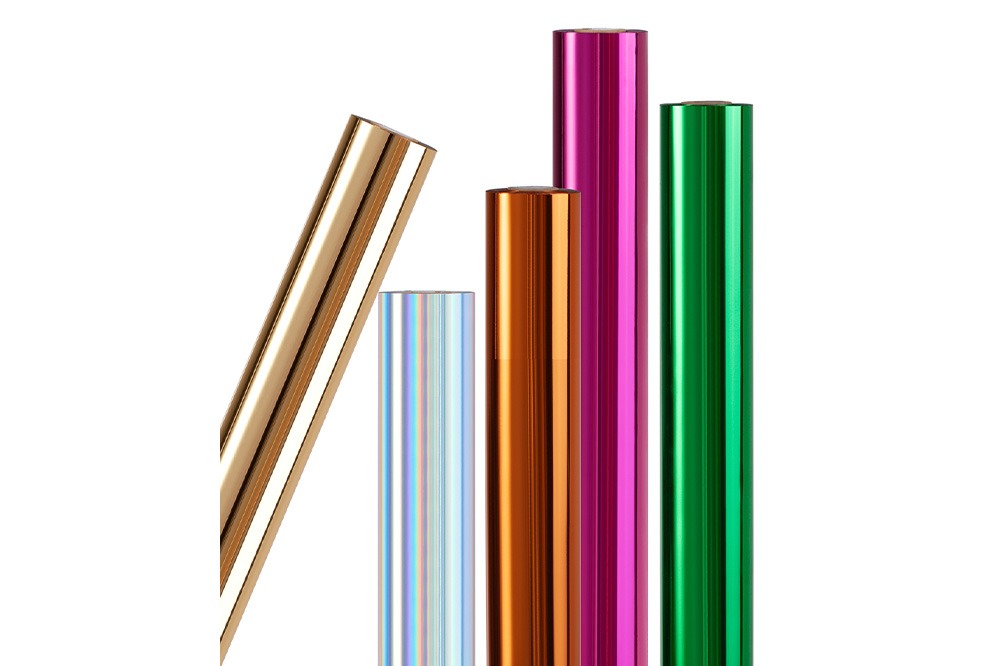
At Dragon Foil, our customer engagement workflow ensures smooth production from sample testing through full-scale manufacturing:
Step 1 – Understanding Customer Printing Requirements: We analyze your press specifications, substrate types, machine speeds, and desired visual effects.
Step 2 – Selecting the Suitable Foil Type and Finish: We match your project with the ideal DT Series Digital Enhancement Foil, cold foil, hot foil, or holographic formulation.
Step 3 – Testing Foil Compatibility with Printing Materials: In-house printing tests on Heidelberg offset, flexo, and digital machines ensure optimal adhesion and clean release.
Step 4 – Manufacturing and Quality Inspection: Automated coating and slitting systems produce precision rolls, backed by rigorous R&D and QC testing.
Step 5 – Delivering Customized Foil Solutions: Secure packaging and worldwide export logistics ensure your custom rolls arrive ready for immediate press run.
Why Work with Dragon Foil as Your Foil Stamping Manufacturer?
As a subsidiary of Guangdong Ruian Group and a National High-tech Enterprise in China, Dragon Foil brings over 26 years of dedicated foil industry experience.
Professional Experience in Digital, Cold, Hot, and Holographic Foils
Dragon Foil maintains a comprehensive product portfolio including digital enhancement foils, flexo cold foils, sheet-fed offset cold foils, hot stamping foils, and specialized holographic products.
Customized Solutions for Different Printing Applications
Whether you operate narrow-web label presses or sheetfed digital finishing equipment, our R&D team formulates tailored coatings for specific substrates and release properties.
Stable Supply Chain and Manufacturing Capability
Operating out of a 70,000 m² facility with self-produced key raw materials and automated dispensing systems, Dragon Foil guarantees consistent roll tension, batch-to-batch stability, and reliable supply.
Technical Support for Global Printing Companies
Trusted by major global printing groups (including CCL, MCC, All4Labels, and Skanem) and international consumer brands, our technical support team provides worldwide guidance to optimize press performance.
FAQs About Digital Foil Stamping
Q1: What Is Digital Foil Stamping Used For?
A: Digital foil stamping is used to apply decorative metallic and holographic foil accents onto packaging boxes, labels, book covers, business cards, and marketing materials without needing physical metal dies.
Q2: How Is Digital Foil Different from Traditional Foil Stamping?
A: Digital foil relies on digital inks, toners, or UV varnishes to bond foil to the substrate, eliminating stamping dies and long setup times. Traditional hot foil stamping uses high heat, mechanical pressure, and metal dies in an offline pass.
Q3: Can Digital Foil Be Used on Different Packaging Materials?
A: Yes. Digital foils adhere well to smooth SBS paperboard, synthetic label stocks, plastic barrier films, and laminated surfaces. For best results on textured or uncoated papers, applying a digital varnish or soft-touch film layer is recommended.
Q4: How Does Dragon Foil Support Custom Foil Projects?
A: Dragon Foil offers custom color matching, specialized roll slitting sizes, sample roll testing, and technical support to match your specific press technology and substrate requirements.
Conclusion
Digital foil stamping provides printers and packaging manufacturers with flexible decoration options, combining digital printing efficiency with premium foil effects. As an experienced foil stamping manufacturer, Dragon Foil supplies customized China digital foil, cold foil, hot foil, and holographic foil solutions for various industries worldwide.