
Different Types of Hot Stamping Foil Explained
What Is Hot Stamping Foil?
Hot stamping foil is a thin decorative film used to transfer metallic or colored finishes onto a surface using heat and pressure. It is widely used in packaging, labels, and product decoration.
The foil typically consists of several layers, including a carrier film, release layer, color layer, metallic layer, and adhesive layer. During the stamping process, heat and pressure activate the adhesive so the decorative layer transfers to the substrate.
Compared with standard ink printing, foil stamping creates a brighter and more premium finish. This is why many brands prefer foil printing for packaging, luxury labels, and product decoration.
Types of Hot Stamping Foil
Hot stamping foils are generally classified based on their visual effects and application materials.
Metallic hot stamping foil is the most widely used type for foil decoration in packaging, labels, greeting cards, and cosmetic boxes. It creates a strong reflective gold, silver, or colored metallic effect that enhances brand visibility and premium appearance. For general packaging and paper printing applications, our PP Series provides a versatile solution with strong gloss, stable transfer performance, and excellent adhesion across common substrates such as coated paper, laminated paper, and plastic labels.
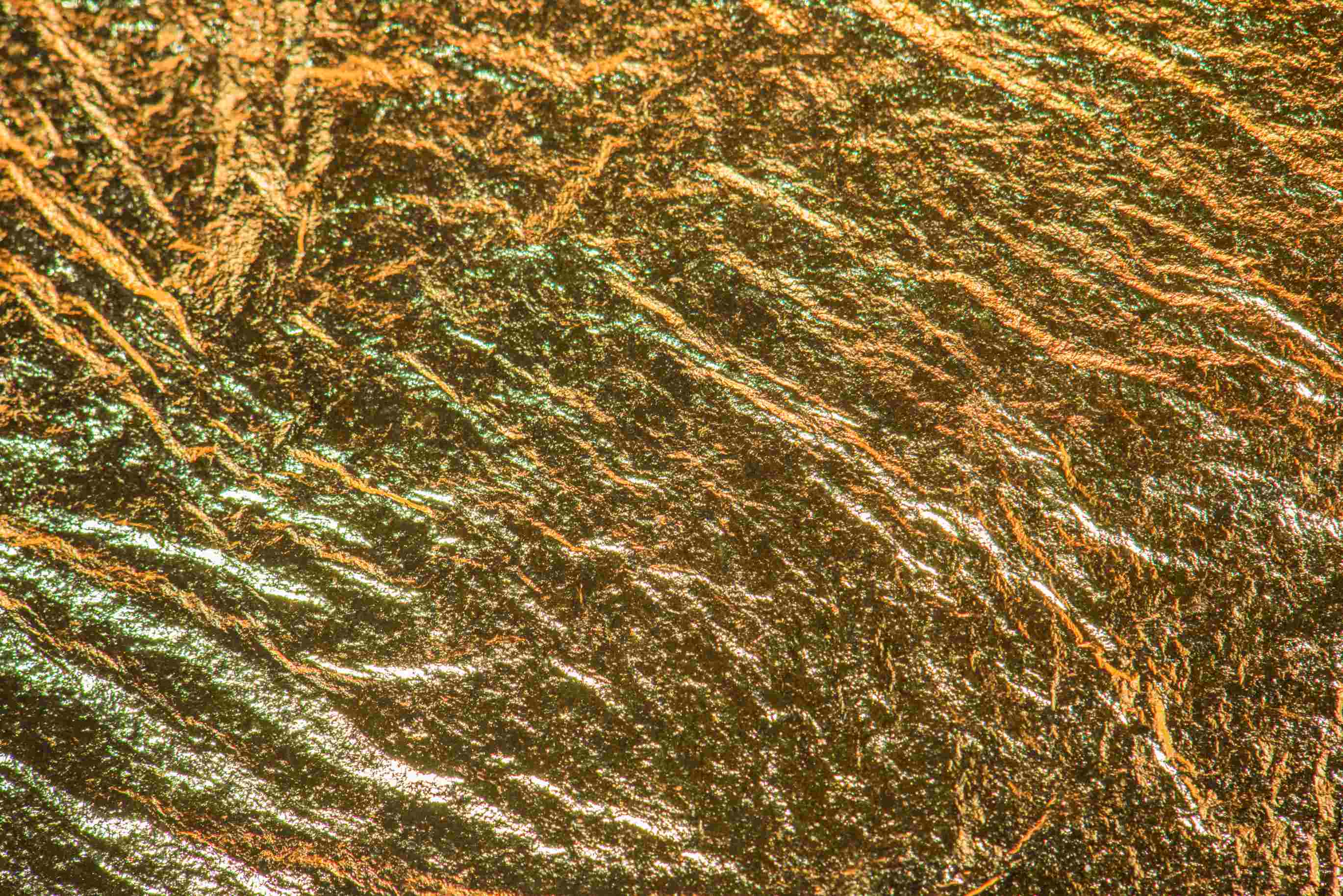
Pigmented foils provide solid color finishes without metallic shine, making them suitable for brand graphics, logos, and text decoration. When projects require secondary printing after foil stamping, such as screen printing or overprinting patterns, our BD Series is designed for reprintable surfaces that maintain strong foil adhesion while supporting additional printing processes.

Pearl foils and specialty decorative foils are often used in premium packaging and creative print design. For rough or textured materials such as kraft paper or specialty art paper, our PD+ Series ensures smooth transfer, strong coverage, and consistent foil decoration even on uneven surfaces.
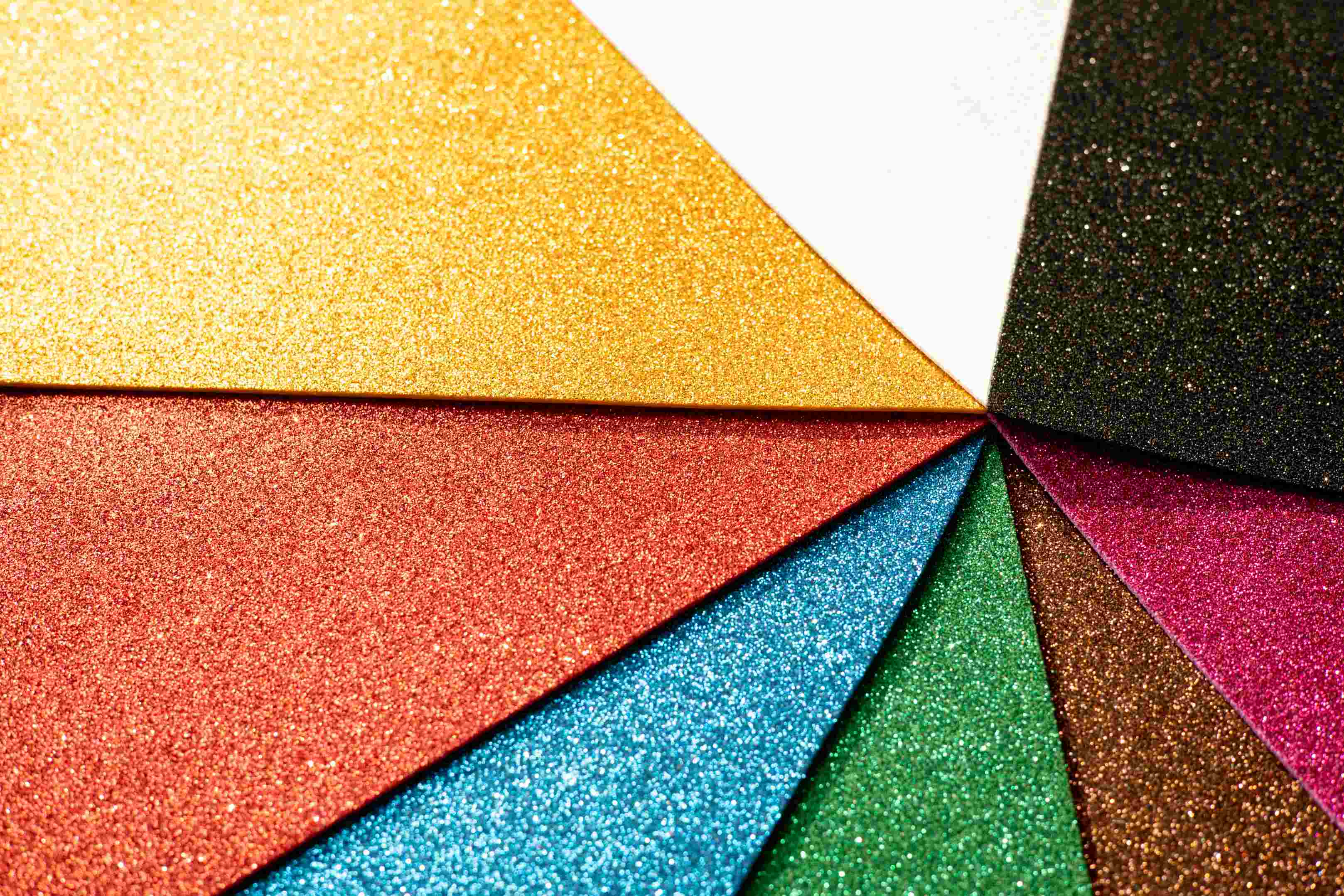
For specialized industries such as tobacco packaging decoration, our PT Series is developed to deliver precise stamping performance, high anti-counterfeiting compatibility, and stable results in high-speed industrial stamping processes.

Hot Foil vs Cold Foil: What’s the Difference?
A common question in the printing industry is the difference between hot foil stamping and cold foil transfer.
Hot foil stamping uses heated dies and pressure to transfer foil onto the material. It produces very sharp edges, strong adhesion, and a high-gloss finish. It is widely used for premium packaging and decorative printing.
Cold foil printing, on the other hand, uses UV adhesive and a printing press to transfer foil without heat. This process is faster and suitable for large-volume printing, but the metallic finish is usually less reflective.
When comparing metallic foil vs foil printing, hot stamping generally provides a stronger metallic effect and better durability, especially for luxury packaging and high-end branding.
Common Applications of Hot Stamping Foil
Hot stamping foil is widely used across many industries where visual impact and premium appearance are important.
In the packaging industry, foil printing for packaging is used on cosmetic boxes, perfume packaging, luxury goods packaging, and food boxes to enhance brand visibility.
The label and printing industry also uses foil stamping for product labels, stickers, and brand logos, helping products stand out on retail shelves.
In apparel decoration, foil can be combined with screen printing techniques. Foil screen printing apparel is popular for T-shirts, hoodies, and promotional garments because it creates eye-catching metallic graphics.
Hot stamping foil is also widely used in greeting cards, invitation cards, certificates, and security printing, where decorative effects and anti-counterfeiting features are required.
How to Choose the Right Hot Stamping Foil
Choosing the right foil depends on several key factors.
First, consider the substrate material. Paper, plastic film, textiles, and coated surfaces require different foil formulations to ensure proper adhesion.
Second, evaluate the design and visual effect you want to achieve. Metallic foils provide a strong reflective effect, while pigmented or pearl foils offer softer decorative finishes.
Third, look at the printing or stamping process. Some projects may combine foil stamping with screen printing, which is common in screen printing foil decoration applications.
Finally, consider cost and production scale. For large-volume foil printing for packaging, stable transfer performance and consistent foil quality are essential for efficient manufacturing.
Testing foil compatibility before mass production is always recommended to ensure the best results.
Want to customize hot stamping foil just for your company? Contact us@Dragon Foil.com
FAQs:
Q1: What are the different types of foil?
A: The most common types include metallic foils, holographic foils, pigment foils, and matte foils. Metallic foils are shiny and reflective, often used in foil printing for packaging and premium labels. Holographic foils create a rainbow-like iridescent effect. Pigment foils come in many colors and are frequently used for branding and screen printing foil decoration.
Q2: What are the different types of foil printing?
A: The most common types are hot foil stamping, cold foil stamping, digital foil printing, and holographic foil printing. Hot foil stamping is the most traditional and widely used method because it creates sharp metallic effects. Cold foil stamping is a newer process that transfers foil using UV adhesive rather than heat.
Q3: What are the disadvantages of hot foiling?
A: Hot foiling disadvantages include higher costs such as dies and setup. It may also have limitations with complex designs like gradients or multiple colors. Incorrect heat or pressure can cause issues like blurriness or uneven transfer. It can also be less suitable for textured or heat-sensitive materials.
Q4: Is hot foiling permanent?
A: Hot foil printing uses a heated metal plate, called a die, to press a thin layer of metallic or colored foil onto paper or card. The heat activates an adhesive layer on the foil, allowing it to bond firmly to the surface. This makes hot foiling a durable option for foil printing for packaging and decorative printing.