
Cold Foil vs Hot Foil Stamping: Differences in Process, Cost, and Packaging Applications
As packaging converters and printing professionals, choosing the right embellishment method directly impacts press throughput, unit costs, and visual shelf appeal. Cold foil has rapidly transformed the embellishment landscape by enabling inline, high-speed metallic printing.
Compared with traditional hot foil stamping, which relies on heated brass or magnesium dies to transfer metallic layers, the cold foiling process uses specialized UV adhesive and inline curing to bond the foil to substrates without heat or custom tooling.
What Is Cold Foil Printing?
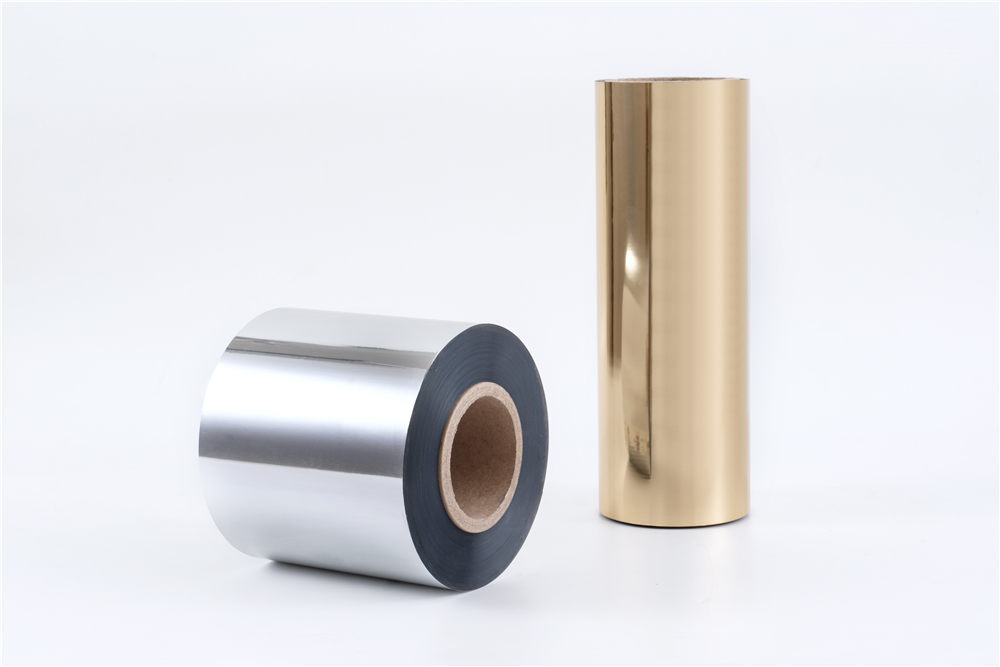
Cold foil is an inline decorative material designed to apply metallic packaging effects directly onto substrates during the primary printing pass.
Structure of Cold Foil Materials
A typical roll of cold stamping foil consists of four functional layers engineered for ultra-fast transfer:
- Carrier Film: A polyester (PET) base supporting the functional layers during press transport.
- Release Layer: Allows the metallic components to shear cleanly from the carrier film upon adhesive contact.
- Metallic Layer: Vaporized aluminum or pigment that creates the reflective finish.
- Adhesive Layer: Topcoat engineered to bond instantly with UV-curable adhesives under UV radiation.
Printers choose cold foil printing because it runs inline on standard offset or flexographic presses, drastically reducing turnaround times.
How Does Cold Foil Create Metallic Effects?
The cold foiling process relies on precise mechanical registration and chemical bonding:
- Step 1: Printing UV Adhesive. The press applies a UV-curable adhesive using a standard printing plate onto the targeted design areas.
- Step 2: Applying Cold Stamping Foil. The cold stamping foil roll is nipped against the substrate, contacting only the wet adhesive.
- Step 3: UV Curing. The substrate passes under UV lamps, instantly curing the adhesive and bonding the metallic layer.
- Step 4: Carrier Film Removal. The PET carrier film strips away, leaving metallic foil strictly on the printed adhesive zones.
- Step 5: Overprinting. Standard CMYK inks are printed directly over the metallic layer to create an unlimited spectrum of custom metallic colors.
What Is Hot Foil Stamping?

Hot stamping uses a combination of high temperature and mechanical pressure via a copper, magnesium, or brass die to melt a release layer on hot stamping foil, bonding it to the substrate.
Because the foil stamping process operates as an off-line, standalone operation, it excels at tactile, deep-stamped finishes. It remains a staple for luxury packaging, high-end invitation cards, and premium cosmetics boxes where heavy embossing is required.
Cold Foil vs Hot Foil Stamping: Key Differences
Understanding the operational differences between cold foil vs hot foil helps manufacturers align project requirements with profitability.
|
Comparison Factor |
Cold Foil Stamping |
Hot Foil Stamping |
|
Transfer Method |
Polymer adhesive + UV curing |
Heat, impression pressure, and dies |
|
Tooling Needs |
Standard flexo/offset plates (No die) |
Custom metal stamping die required |
|
Production Speed |
Fast inline speeds (up to 12,000+ sheets/hr) |
Slower off-line stamping process |
|
Registration Accuracy |
High precision via press printing units |
Dependent on off-line feeding and heat expansion |
|
Suitable Products |
Labels, folding cartons, flexible film |
Rigid luxury boxes, deep embossed cards |
Production Speed and Manufacturing Efficiency
For high-volume packaging converters, cold foil printing delivers major efficiency gains. Because it operates inline, there is no need for a secondary off-line pass.
Design Flexibility and Registration Accuracy
Because cold foil packaging utilizes standard printing plates, it handles delicate halftones, fine lines, and subtle gradations with ease. Furthermore, printing CMYK inks over silver foil lets converters achieve hundreds of shimmering metallic shades in a single pass—ideal for wine, beverage, and personal care packaging.
Tooling Cost and Production Setup
When comparing cold foil vs hot foil, cold foiling eliminates custom metal dies, shortening prepress lead times and lowering upfront tooling costs for variable artwork runs.
Compatible Packaging Materials
Paperboard Packaging: Folding cartons, pharmaceutical boxes, and display packaging.
Pressure-Sensitive Labels: Prime beverage labels, cosmetics labels, and household goods.
Flexible Packaging: Barrier films, stand-up pouches, and personal care wrappers.
Applications of Cold Foil in Packaging Industries
- Beverage & Food Labels: Delivers high-impact shelf visibility with crisp metallic detail that resists moisture.
- Cosmetics & Personal Care: Ideal for perfume boxes and skincare folding cartons requiring full-coverage metallic backgrounds with overprinted gradients.
- Pharmaceutical Packaging: Provides crisp, fine-line detail for brand protection and anti-counterfeiting features.
How to Choose the Right Cold Stamping Foil for Your Printing Project?
- Equipment Compatibility: Verify that your cold foil rolls match your press specifications (offset vs. flexographic UV systems).
- Adhesion and Release Performance: Select a cold stamping foil formulation optimized for clean release on your specific substrate—whether non-porous film or coated paperboard.
- Metallic Finishes: Choose from standard silver, bright gold, or holographic cold foil effects depending on design requirements.
Cold Foil vs Hot Foil: Which Solution Should You Choose?
- Select Cold Foil when: You run high-volume packaging, require inline overprinting, need fine-line halftone registration, or want to avoid off-line tooling costs.
- Select Hot Foil when: You require deep tactile embossing, heavy micro-texturing on uncoated textured stocks, or run ultra-premium luxury items in small production batches.
FAQs
Q1: What is the cold foiling process?
A: The cold foiling process applies a UV-curable adhesive to a substrate via a standard printing plate, nips a layer of cold foil onto the sheet, cures the adhesive with UV light, and strips away the carrier film—all inline.
Q2: Is cold foil printing suitable for packaging?
A: Yes. Cold foil packaging is widely used for folding cartons, flexible film, and prime self-adhesive labels due to its high production speeds and inline CMYK overprinting capabilities.
Q3: What is the main difference between cold foil vs hot foil stamping?
A: Cold foil uses adhesives and UV curing inline without heat or dies, while hot foil stamping uses heat, high pressure, and metal dies in an off-line pass.
Q4: What printing machines can use cold stamping foil?
A: Cold stamping foil is designed for inline use on sheetfed offset presses, narrow-web and wide-web flexographic presses, and hybrid printing lines equipped with cold foil towers and UV curing units.